
How to Become a Cybersecurity Analyst with No IT Experience: A Beginner's Roadmap to Your First Role
How to Become a Cybersecurity Analyst Beginner: Step-by-Step Guide


Breaking into the cybersecurity field as a complete beginner may feel intimidating, especially if you do not have a technical background. Yet, with the right roadmap, focused hands-on training, and industry-recognized certifications, almost anyone can become a cybersecurity analyst—even without prior IT experience. This guide will show you step-by-step how to become a cybersecurity analyst as a beginner, highlighting the most practical skills, learning resources, and career-accelerating moves for adults making a career switch or aiming to move up in tech.
If you want to land your first role in cybersecurity, you’ll need to build foundational IT skills, gain real-world experience through labs, earn entry-level certifications, and develop a strong professional network. Structured bootcamps and immersive programs like those at NGT Academy can help you move from zero experience to job-ready in months, not years.
What Does a Cybersecurity Analyst Do?
Cybersecurity analysts protect organizations from cyber threats by monitoring systems, detecting breaches, responding to incidents, and implementing proactive defenses. They analyze network traffic, perform risk assessments, maintain security tools, and educate staff on best practices. As digital transformation accelerates in every industry, demand for skilled analysts continues to surge, making this an ideal entry point for newcomers.
Anyone can become a cybersecurity analyst as a beginner by building a foundation in IT basics, progressing through hands-on labs, earning industry certifications, and practicing real-world scenarios. You do not need a computer science degree, but you must commit to consistent learning and practical skill-building.
Why Choose Cybersecurity as a Beginner?
Cybersecurity is one of the fastest-growing tech careers, with more than 4 million unfilled jobs globally according to the (ISC)² 2025 workforce report. Entry-level analyst roles offer job security, strong salaries, and the chance to make a real impact by protecting vital systems. For career changers, veterans, and tech enthusiasts, cybersecurity provides a direct path to rewarding IT roles—even without a traditional degree.
- High Demand: Cyberattacks, data breaches, and cloud vulnerabilities are rising, fueling intense demand for talent.
- Accessible Entry: Many employers prioritize skills, certifications, and hands-on experience over formal degrees.
- Growth Potential: Analysts can advance into roles like SOC Analyst, Penetration Tester, Cloud Security Specialist, or Security Engineer.
Step 1: Build Your IT and Cybersecurity Foundations
Before specializing in security, you must understand core IT concepts. This includes networking, operating systems (Windows and Linux), file systems, and command-line tools. These basics form the backbone of cybersecurity work.
Key Learning Areas for Beginners
- Networking fundamentals (TCP/IP, OSI model, common ports)
- Operating systems essentials (Windows, Linux basics)
- Cybersecurity fundamentals (malware, phishing, ransomware, CIA triad)
- Basic system administration
- Introduction to security tools (firewalls, antivirus, SIEM basics)
Free platforms like TryHackMe and Hack The Box Academy offer beginner-friendly labs where you can practice these skills in a safe environment, and reviewing the common network protocols every engineer should know can further strengthen your foundations.
What Certifications Should Beginners Pursue?
Certifications provide a recognized way to validate your knowledge and stand out to employers. For beginners, the CompTIA Security+ and Google Cybersecurity Certificate are excellent starting points. These certifications cover core security concepts and require no prior experience.
- CompTIA Security+: Globally recognized, covers foundational security principles, costs ~$350.
- Google Cybersecurity Certificate: Entry-level, self-paced, and designed for non-tech backgrounds.
- Certified Cybersecurity General Practitioner (CCGP™): Focuses on hands-on skills and digital hygiene.
While pursuing certifications, prioritize hands-on labs and real-world scenarios over rote memorization. Employers value practical skills as much as credentials. For a deeper overview of entry-level IT certifications and their ROI for career changers, explore this guide to entry-level IT certifications and career transitions.
How to Gain Hands-On Experience Without a Job
Real-world experience is crucial for proving your cybersecurity abilities. Fortunately, you can build a strong portfolio before landing your first job.
Ways to Get Practical Experience
- Virtual Labs: Use platforms like TryHackMe or Hack The Box to solve security challenges in simulated environments.
- Home Lab Projects: Set up virtual machines, practice configuring firewalls, and monitor traffic using open-source tools like Wireshark or Nmap.
- Open Source Contributions: Participate in security-related GitHub projects or document your learning journey on a blog or LinkedIn.
- Capture the Flag (CTF): Compete in legal hacking competitions to develop problem-solving and technical skills.
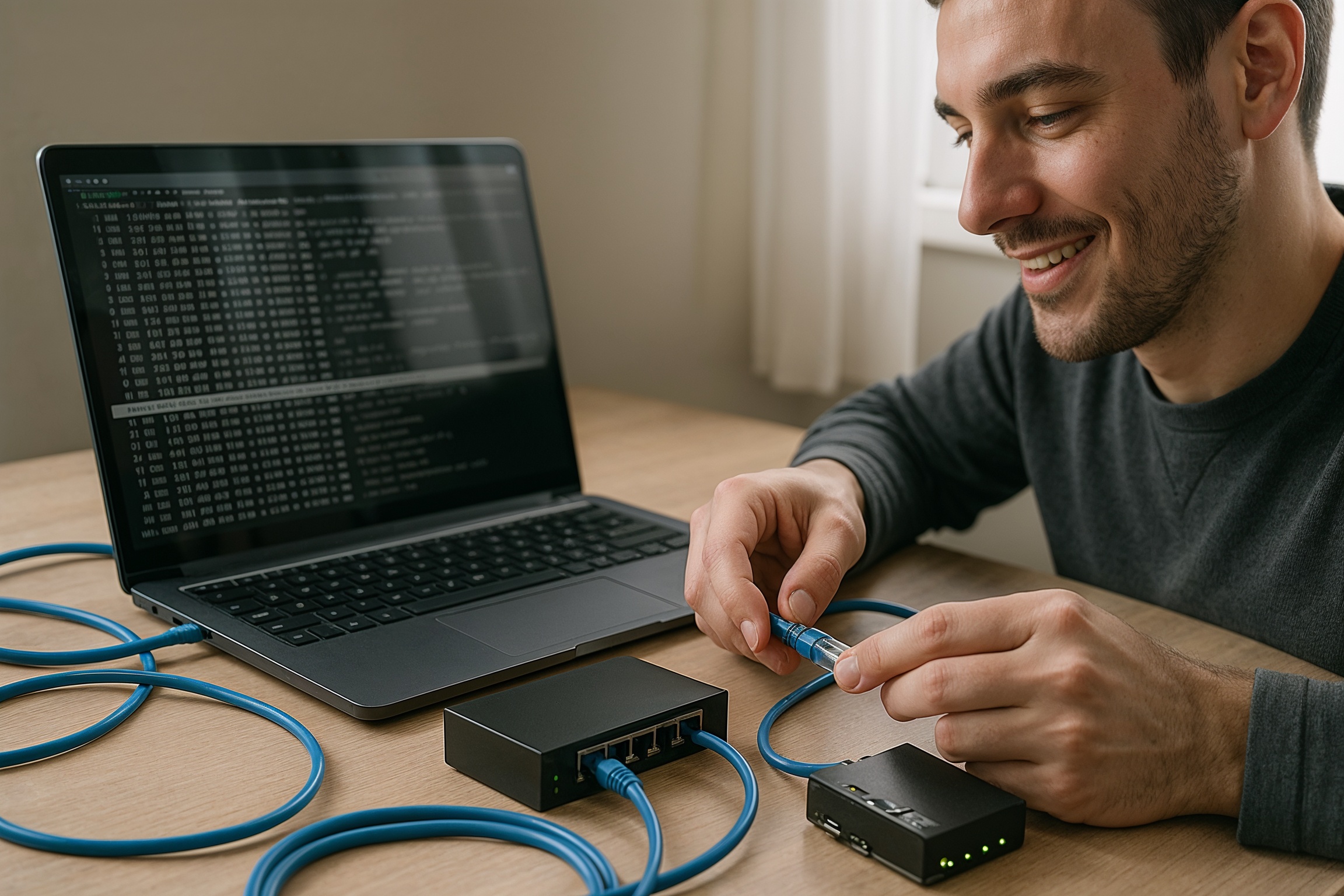
NGT Academy’s immersive programs center on hands-on projects and labs, giving you the real-world experience employers demand.
Essential Skills for a Cybersecurity Analyst
Successful analysts combine technical ability with analytical thinking, communication, and teamwork. As a beginner, focus on developing:
- Technical Skills: Networking, operating systems, scripting (Python or Bash), endpoint security, and cloud security basics.
- Analytical Skills: Critical thinking, pattern recognition, and the ability to interpret security data.
- Attention to Detail: Spot subtle anomalies in logs or system behavior.
- Soft Skills: Communication, documentation, collaboration, and ethical judgment.
Modern analysts also need familiarity with cloud platforms (AWS, Azure, Google Cloud), SIEM tools (like Splunk), and automation. For more on career development and skill-building, visit our mission page to see how NGT Academy helps people transform their futures in tech.
Beginner Roadmap: Steps to Your First Cybersecurity Analyst Role
- Research the Role: Understand what cybersecurity analysts do, typical responsibilities, and the skills required.
- Start Learning IT Basics: Take online courses or bootcamps focused on networking and operating systems.
- Join Hands-On Labs: Practice in virtual environments and try basic security challenges.
- Earn an Entry-Level Certification: Choose Security+ or Google Cybersecurity Certificate to validate your learning.
- Build a Portfolio: Document your projects, labs, and learning outcomes on LinkedIn or GitHub.
- Network and Engage: Join cybersecurity communities, attend virtual events, and connect with professionals.
- Apply for Entry-Level Positions: Look for SOC Analyst, Junior Analyst, or IT Support roles with a security focus.

For a comprehensive strategy on landing and advancing your IT job in cybersecurity, check out this step-by-step resource.
Common Mistakes Beginners Should Avoid
- Skipping Fundamentals: Rushing into advanced topics without a solid IT foundation leads to confusion and burnout.
- Overvaluing Certifications: Credentials matter, but employers want to see practical, hands-on ability.
- Ignoring Soft Skills: Communication and teamwork are as important as technical knowledge.
- Practicing on Unauthorized Systems: Only use legal labs and CTF platforms for skill development.
What Are the Career Prospects and Salaries?
The cybersecurity field offers robust job growth and competitive salaries. According to the Bureau of Labor Statistics, analyst roles are projected to grow 29% through 2034. Entry-level cybersecurity analysts in the US typically earn $60,000 or more, with rapid salary increases as you gain experience or specialize in areas like cloud security or incident response.
| Role | Average Salary (US) | Role Focus |
|---|---|---|
| SOC Analyst | $65,000–$85,000 | Threat Monitoring |
| Penetration Tester | $80,000–$120,000 | Offensive Security |
| Security Engineer | $100,000–$130,000 | Defense & Tools |
| Cloud Security Specialist | $110,000–$140,000 | Cloud Infrastructure |
How NGT Academy Can Help You Launch Your Cybersecurity Career
If you want to accelerate your journey, NGT Academy’s Network Engineer Program + Cybersecurity Accelerator offers a structured, hands-on pathway for beginners. Our programs combine live instruction, immersive labs, and career coaching to help you become job-ready in months. You will gain practical skills, work with real tools, and receive mentorship from industry experts. Whether you are making a career change or moving up from entry-level IT, our mission is to help you break into cybersecurity with confidence.
FAQ
Can I become a cybersecurity analyst with no IT experience?
Yes, many people start with no IT background. With structured learning, hands-on labs, and entry-level certifications, you can build the skills needed for a cybersecurity analyst role.
What is the fastest way for beginners to get job-ready in cybersecurity?
The most effective path is a combination of intensive bootcamp training, hands-on labs, foundational certifications, and building a professional network.
Are degrees required for entry-level cybersecurity jobs?
No, many employers value skills, certifications, and practical experience over formal degrees. Programs like NGT Academy focus on making you job-ready without a four-year degree.
Which certifications should I pursue first as a beginner?
Start with CompTIA Security+, Google Cybersecurity Certificate, or CCGP™ to validate your knowledge and increase your chances of landing interviews.
How long does it take to become a cybersecurity analyst from scratch?
With consistent study and hands-on practice, many beginners can achieve an analyst role within 6–12 months.