
How to Build Confidence as an IT Beginner: Master Work-Life Balance, Remote Roles, and Personal Growth
How to Build Confidence as an IT Beginner | NGT Academy Guide

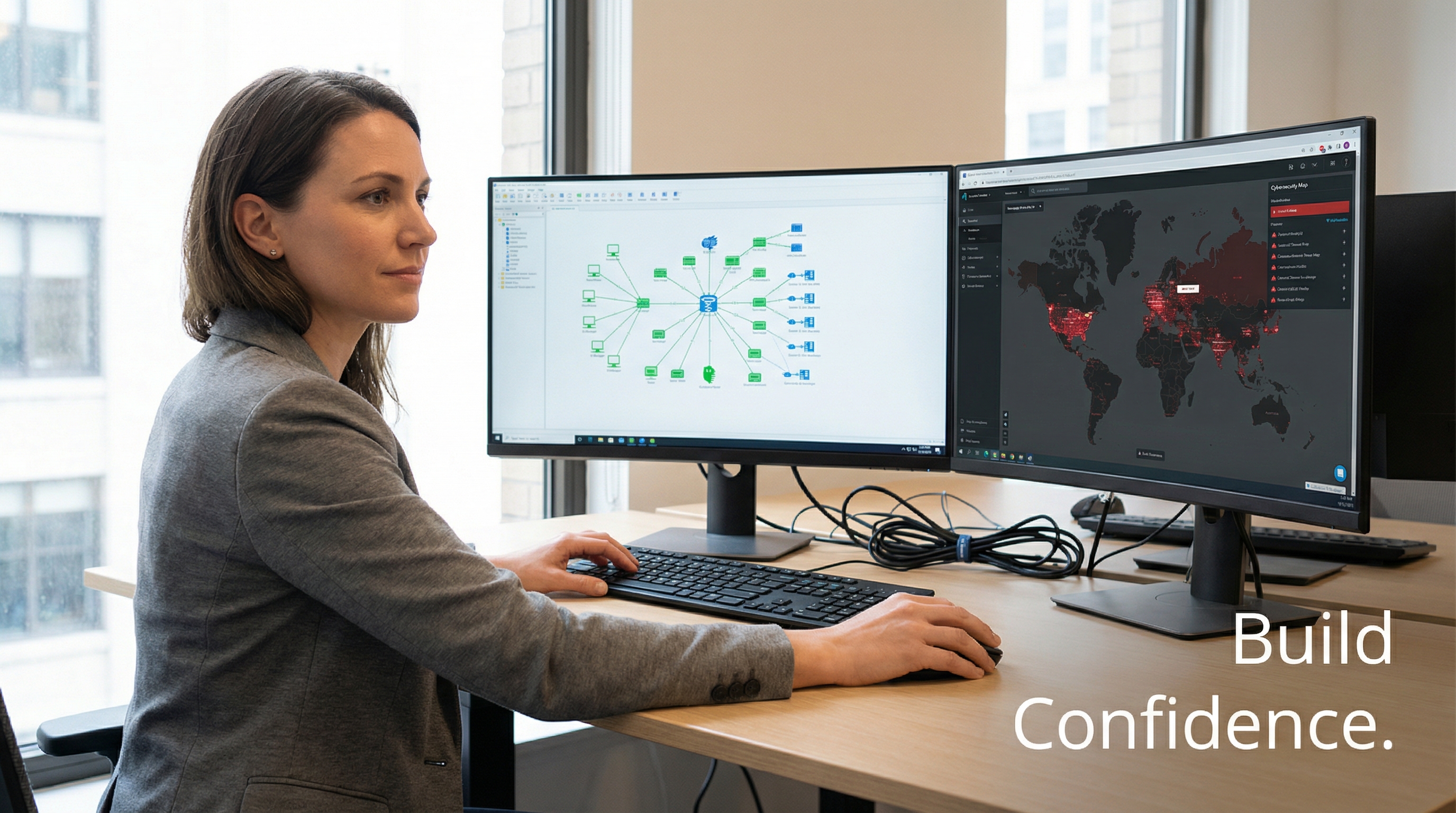
Starting a new career in IT, networking, or cybersecurity is both exciting and challenging, especially for adults making a career change or for entry-level professionals ready to step up. Many IT beginners worry about their technical abilities, but just as critical is learning how to build confidence as an IT beginner. This article is designed for career changers, veterans, and tech enthusiasts seeking practical strategies to strengthen confidence, master work-life balance, thrive in remote or hybrid roles, and fuel ongoing personal growth in the dynamic world of technology.
If you are just starting in IT, building confidence requires a blend of skill development, hands-on experience, and adopting habits that support both your professional and personal well-being. Combine technical training with communication skills, create healthy routines, and seek out mentorship or structured career support to accelerate your growth and feel ready for any challenge.
Why Confidence Matters for IT Beginners
Confidence is the foundation that helps IT professionals tackle new technologies, communicate clearly, and step into advanced roles. For those entering IT without a traditional tech background or degree, self-doubt and imposter syndrome are common. However, employers in 2026 prioritize soft skills—like communication, emotional intelligence, and adaptability—just as much as technical know-how. Building confidence not only makes you a stronger job candidate but also helps you navigate challenges, collaborate on teams, and pursue leadership opportunities in fields like networking and cybersecurity.
What Steps Can You Take to Build Confidence as an IT Beginner?
To build confidence as an IT beginner, start with a structured approach that combines hands-on learning, soft skills development, and lifestyle adjustments. Here is a practical mini-framework:
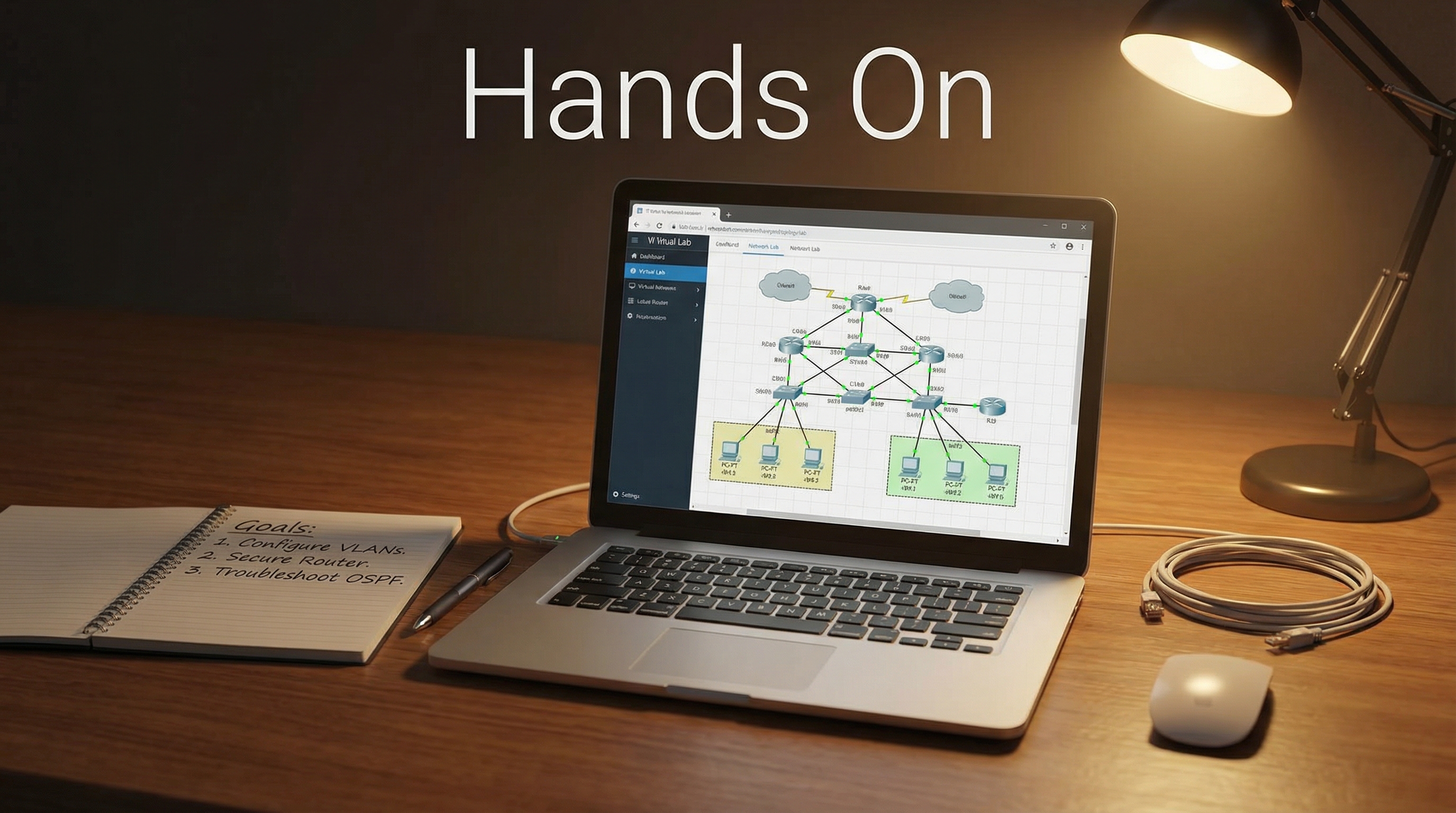
- Engage in Hands-On Training: Participate in real labs, simulations, and project work to reinforce technical concepts and see your progress.
- Strengthen Communication Skills: Practice explaining technical topics, join study groups, and seek feedback on your communication style.
- Set Small, Achievable Goals: Break large learning objectives into smaller tasks to build momentum and celebrate progress.
- Seek Mentorship and Support: Connect with experienced professionals, coaches, or peers who can provide encouragement and perspective.
- Reflect and Adjust Regularly: Use journaling or self-assessment tools to track your growth, identify strengths, and address areas for improvement.
Mastering Work-Life Balance in an IT Career
In today’s tech industry, work-life balance is more than just a buzzword—it is essential for productivity, engagement, and mental health. Flexible schedules, remote roles, and asynchronous workflows are increasingly common in IT, allowing you to integrate work and personal life more effectively. According to a recent Gallup survey, 60% of professionals now prioritize flexible hours over higher pay, and 90% say balance is as important as financial stability. For IT beginners, adopting healthy micro-habits—like taking short breaks, setting digital boundaries, and prioritizing well-being—can prevent burnout and sustain your motivation to learn.
Strategies for Achieving Balance
- Establish a dedicated workspace and clear work hours, even when working remotely.
- Use focus-time blocks and digital tools (like Slack or calendar apps) to manage your time and minimize distractions.
- Incorporate wellness practices, such as 10-minute walks or scheduled screen breaks, to refresh your mind.
- Communicate openly with your employer or training provider about your needs and boundaries.
Employers and training programs that value holistic well-being, like NGT Academy, offer support through flexible learning, mentorship, and career coaching—key for adult learners or veterans transitioning into IT.
Thriving in Remote and Hybrid IT Roles
Remote and hybrid work have become standard in the technology sector. For IT beginners, this shift can be both liberating and challenging. The benefits include greater flexibility, reduced commute times, and opportunities to work with global teams. However, remote roles require strong self-motivation, digital communication skills, and the ability to set and maintain healthy boundaries between work and personal life.
Best Practices for Remote Success
- Define clear goals and daily routines to stay accountable.
- Leverage collaboration tools for asynchronous teamwork and updates.
- Engage in virtual networking—join online communities, attend webinars, or participate in remote study groups.
- Schedule regular check-ins with mentors or peers to stay connected and receive support.

NGT Academy’s live instruction and career coaching are tailored for remote learners, ensuring you feel supported and connected as you build your skills from anywhere.
Personal Growth: Developing Soft Skills and Emotional Intelligence
Technical skills are vital, but personal growth in IT also depends on developing traits like resilience, adaptability, and emotional intelligence. As highlighted in recent research and leadership advice, confidence grows through action—taking on challenges, seeking feedback, and nurturing relationships build your self-assurance over time. Soft skills such as effective communication, assertiveness, and stress management are especially important for IT professionals moving into roles like network engineer, cybersecurity analyst, or team leader.
How to Strengthen Soft Skills
- Practice public speaking or technical presentations in a safe environment.
- Engage in storytelling and active listening exercises to clarify complex topics.
- Develop assertiveness and negotiation skills for conflict resolution and project leadership.
- Use journaling or visualization techniques to build self-awareness and manage anxiety.
Many confidence-building strategies are incorporated into NGT Academy’s Network Engineer Program + Cybersecurity Accelerator, combining hands-on labs with soft skills training and personalized mentorship.
Resilience and Growth Mindset: Navigating Uncertainty in Tech
IT and cybersecurity are fast-changing fields, and uncertainty is part of the journey. Adopting a growth mindset—believing your abilities can be developed with effort and learning—enables you to embrace change, recover from setbacks, and pursue ambitious goals. Leaders in IT recommend focusing on your strengths, seeking continuous learning opportunities, and viewing challenges as opportunities for growth. Building a strong professional network also provides psychological safety and long-term support, both in technical problem-solving and career advancement.
Implementing a Growth Mindset
- Reframe failures as learning experiences instead of roadblocks.
- Invest in continuous upskilling—stay engaged with new technologies and best practices.
- Stay hands-on with technical details while exploring leadership or mentoring roles.
- Connect with peers and industry professionals to expand your support system.
How NGT Academy Helps You Build Confidence and Advance in IT
NGT Academy specializes in helping adults launch or advance careers in IT, networking, and cybersecurity—even if you do not have a traditional degree. Our programs are designed for hands-on learning, real-world labs, and mentorship that translate directly to job opportunities. We understand the unique challenges faced by career changers, veterans, and entry-level IT professionals. Our holistic approach supports your technical growth, personal development, and work-life balance, so you can move confidently toward your goals.
Ready to transform your future? Explore the Network Engineer Program + Cybersecurity Accelerator to discover how you can gain both technical and confidence-building skills, with live instruction and career coaching built in.