
How to Start a Career in IT with No Experience: Step-by-Step Guide for Career Changers
How to Start a Career in IT with No Experience: Complete Guide


Are you considering a career change into IT, but worried about your lack of experience or a traditional degree? The technology sector is one of the fastest-growing and most accessible fields for motivated adults, veterans, and anyone ready to take a hands-on approach to learning. In this guide, you'll discover exactly how to start a career in IT with no experience, with actionable steps and proven strategies tailored for career changers seeking real opportunities in networking, cybersecurity, and technical support.
Why IT is an Ideal Field for Career Changers
Information Technology welcomes people from all backgrounds. Employers increasingly value practical skills, certifications, and your ability to solve real-world problems. Whether you have experience in customer service, administration, military, or another field, your transferable skills plus new technical abilities can launch you into a rewarding IT career.
To start a career in IT with no experience, focus on building foundational skills, gaining practical hands-on exposure, earning industry certifications, building a strong professional presence, and networking with IT professionals. Entry-level roles such as help desk technician, IT support specialist, and junior network administrator are accessible without a degree if you follow a structured, skills-focused approach.
1. Explore the Diverse Paths in IT
IT is a broad field with many specializations. Understanding your options helps you target your training and job search effectively. Common IT career tracks include:
- Networking: Building and maintaining computer networks, routers, and switches.
- Cybersecurity: Protecting systems and data from threats and breaches.
- IT Support/Help Desk: Assisting users with hardware, software, and troubleshooting issues.
- Systems Administration: Managing servers, operating systems, and enterprise environments.
- Web Development: Creating websites and web applications.
Reflect on your interests and strengths. For example, if you enjoy problem-solving and communication, IT support roles are a great entry point. If you’re analytical and security-focused, cybersecurity might be your path.
2. Build Core IT Skills from the Ground Up
Start with the foundations:
- Operating systems basics (Windows, Linux)
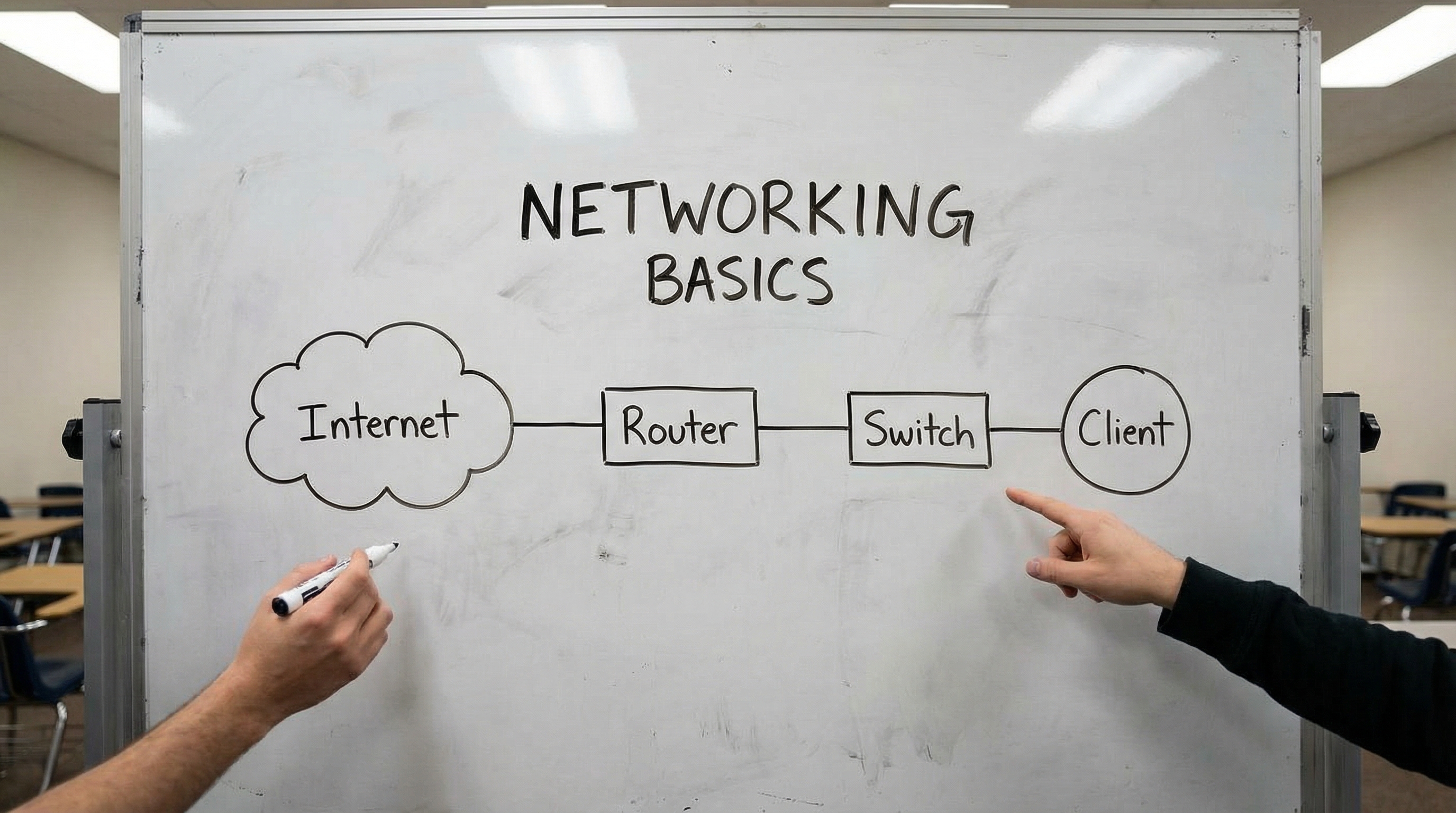
- Basic networking concepts (IP addresses, protocols, routers, switches)
- Introductory programming (Python or Java can be a plus, but not always required for entry-level roles)
- Practical tools: Git/GitHub for version control, basic command-line usage
- Troubleshooting and problem-solving skills
Online courses, bootcamps, and hands-on labs like those offered at NGT Academy provide structured, practical training to quickly build these abilities. Focus on developing both technical and soft skills such as teamwork and adaptability, which are highly valued in IT workplaces.
How can you gain IT experience without a job?
Gaining IT experience without formal employment is possible through personal projects, open-source contributions, volunteering, internships, and freelance work. Build a portfolio that demonstrates your skills to employers.
- Personal Projects: Set up a home lab, build a website, or automate a daily task.
- Open Source: Contribute code, documentation, or testing to community projects.
- Volunteering: Offer IT support to nonprofits, local businesses, or community groups.
- Freelance Platforms: Sites like Upwork or Fiverr allow you to tackle real client problems and develop your resume.
- Internships: Even short-term or unpaid internships provide valuable hands-on skills and references.
Document everything you do screenshots, code samples, problem descriptions, and solutions so you can showcase your practical experience to potential employers.
3. Earn Recognized IT Certifications
Certifications are a proven way to demonstrate your capabilities, especially when you lack formal experience or a degree. Two of the most respected entry-level certifications are:
- CompTIA A+: Covers IT fundamentals, hardware, troubleshooting, operating systems, and security basics.
- CompTIA Network+: Focuses on networking concepts, infrastructure, and troubleshooting.
For those interested in cybersecurity, the CompTIA Security+ credential is also valuable. Most of these certifications require little to no prior experience and are highly regarded by employers. At NGT Academy, our programs combine live instruction, hands-on labs, and dedicated mentorship to help you pass these exams and apply your knowledge in real-world settings.

4. Build a Professional Presence and IT Portfolio
Your professional presence is often the first impression for hiring managers and recruiters. Here’s how to stand out:
- Online Portfolio: Showcase your projects, code, and hands-on experience on a personal website or GitHub.
- LinkedIn Profile: List your skills, certifications, and completed projects. Connect with professionals in your target field.
- Resume Optimization: Tailor your resume for each job by emphasizing relevant skills, certifications, and project outcomes. Use keywords from the job posting so your resume passes automated screening.
- Document Your Journey: Share your learning process, challenges, and successes. Testimonials from mentors and clients add credibility.
For more tips on resume writing for IT beginners, visit our FAQ page. You can also learn from our LinkedIn Profile Tips for improving visibility.
5. Network Strategically to Uncover Opportunities
Networking is often more effective than simply applying online. Many IT jobs are filled via referrals and personal recommendations. To build your network:
- Engage with IT professionals on LinkedIn. Personalize your connection requests by referencing their work or projects.
- Participate in online tech communities and local meetups.
- Seek out a mentor who can provide guidance and introduce you to opportunities.
- Let your friends and social circle know you are making a career change their connections may lead to interviews or job leads.
NGT Academy’s programs include career coaching and mentorship to help you expand your network and prepare for interviews. For additional insight, explore what IT recruiters look for in candidates.
What entry-level IT jobs can you get without experience?
There are several roles that welcome newcomers who have built up skills and certifications:
- Help Desk Technician
- IT Support Specialist
- Junior Network Administrator
- Cybersecurity Analyst (entry-level)
- Junior Web Developer
Most of these positions focus on troubleshooting, technical support, and basic system maintenance making them excellent springboards for further advancement. With experience and additional certifications, you can quickly progress to higher-paying roles like network engineer or senior cybersecurity analyst. Learn more by exploring IT career transitions with no experience.
6. Overcome Common Barriers as a Career Changer
It is normal to face doubts and setbacks when switching to IT. Here are some tips for overcoming obstacles:
- Highlight Transferable Skills: Communication, problem-solving, and teamwork are critical in IT. Emphasize these on your resume and in interviews.
- Leverage Your Background: Experience in healthcare, finance, or the military, for example, can help you land specialized IT roles in those industries.
- Be Persistent: Small, consistent progress adds up. Every project, certification, and new connection moves you closer to your goal.
- Embrace Rejection as Learning: Each application and interview is a chance to refine your approach.
Remember, the IT field values your willingness to learn and adapt more than your formal background.
7. Take the First Step: Hands-On, Skills-Based Training
Structured training accelerates your progress. NGT Academy specializes in helping adults, veterans, and career changers break into IT and cybersecurity with:
- Live, hands-on labs and real-world scenarios
- Mentorship from experienced engineers
- Career coaching, resume help, and job placement support
- Certification preparation for CompTIA A+, Network+, and Security+
If you are ready to kickstart your journey, learn more about our Network Engineer Program + Cybersecurity Accelerator. Our mission is to help you move from beginner to job-ready IT professional no degree required.
FAQ
Do I need a degree to start a career in IT?
No, a degree is not required for most entry-level IT roles. Employers value certifications, hands-on skills, and real-world problem-solving.
Which IT certifications should beginners pursue?
CompTIA A+, CompTIA Network+, and CompTIA Security+ are the most respected entry-level certifications for IT, networking, and cybersecurity.
How can I showcase my IT skills if I have no job experience?
Build a portfolio of personal projects, contribute to open-source, volunteer, and document your skills on LinkedIn and a personal website.
What are the best IT jobs for someone with no experience?
Help desk technician, IT support specialist, junior network administrator, and entry-level cybersecurity analyst are excellent starting points.
How can NGT Academy help me transition to IT?
NGT Academy offers hands-on training, live mentorship, career coaching, and job placement support specifically for adults and career changers.