
Is CCNA Certification Worth It in 2025? A Smart Move for Career Changers & Entry-Level IT Pros
Is CCNA Certification Worth It in 2025? Career Changer's Guide

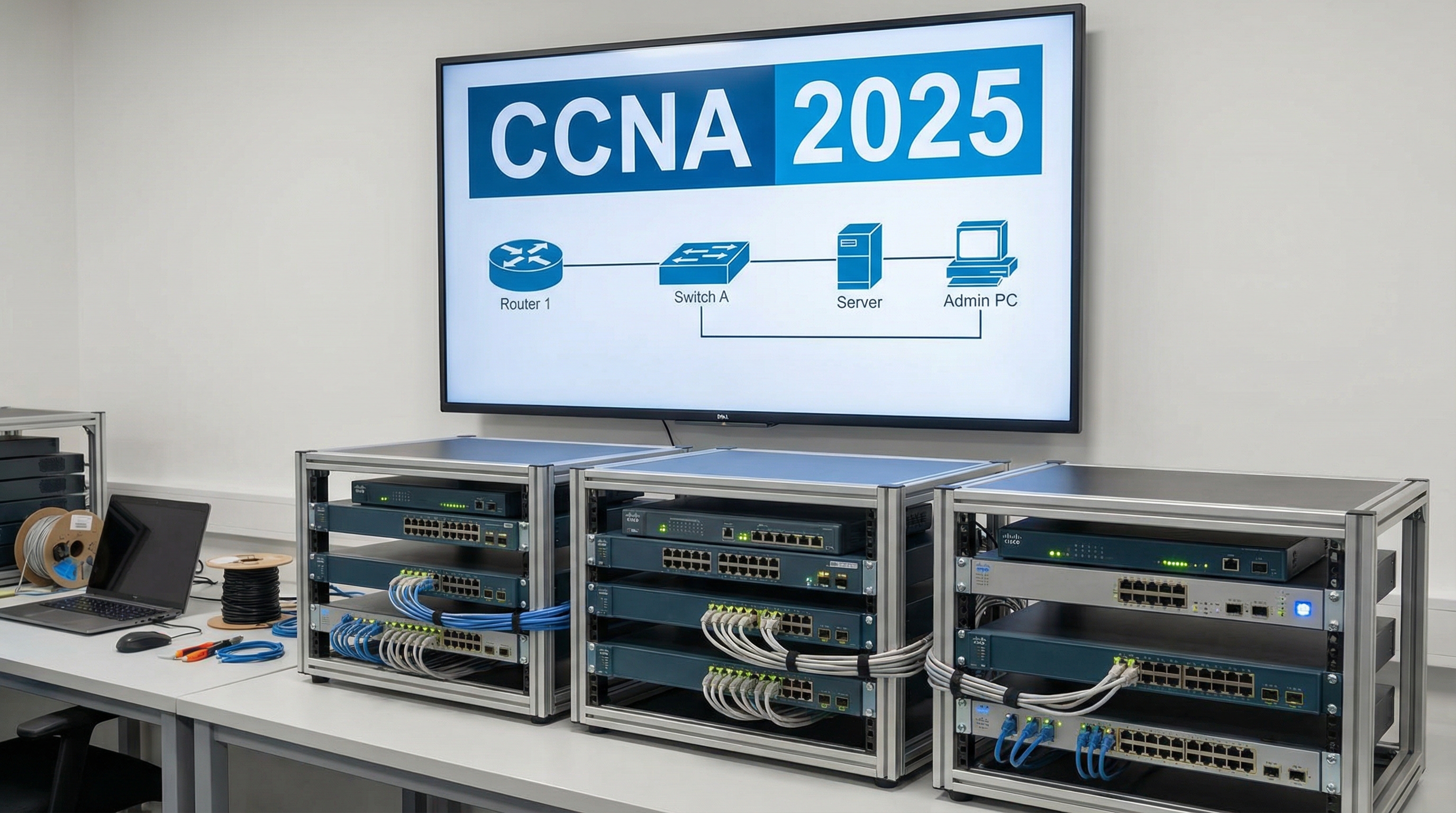
Are you considering a career in IT or looking to move up from a help desk role? The question, is CCNA certification worth it in 2025, is on the minds of many adults and entry-level professionals who want a stable, high-demand tech career. This article explores the real-world value of the Cisco Certified Network Associate (CCNA) for career changers, veterans, and those seeking hands-on, skills-based training that leads directly to employment. We’ll break down what the CCNA covers, current job market trends, and how structured programs like NGT Academy can help you launch or advance your tech journey.
The CCNA remains a strong investment in 2025 for anyone seeking to start or advance an IT career. It is widely recognized by employers, opens doors to entry-level network and cybersecurity jobs, and demonstrates real hands-on skills and motivation, even for those without a traditional degree.
Understanding the CCNA Certification
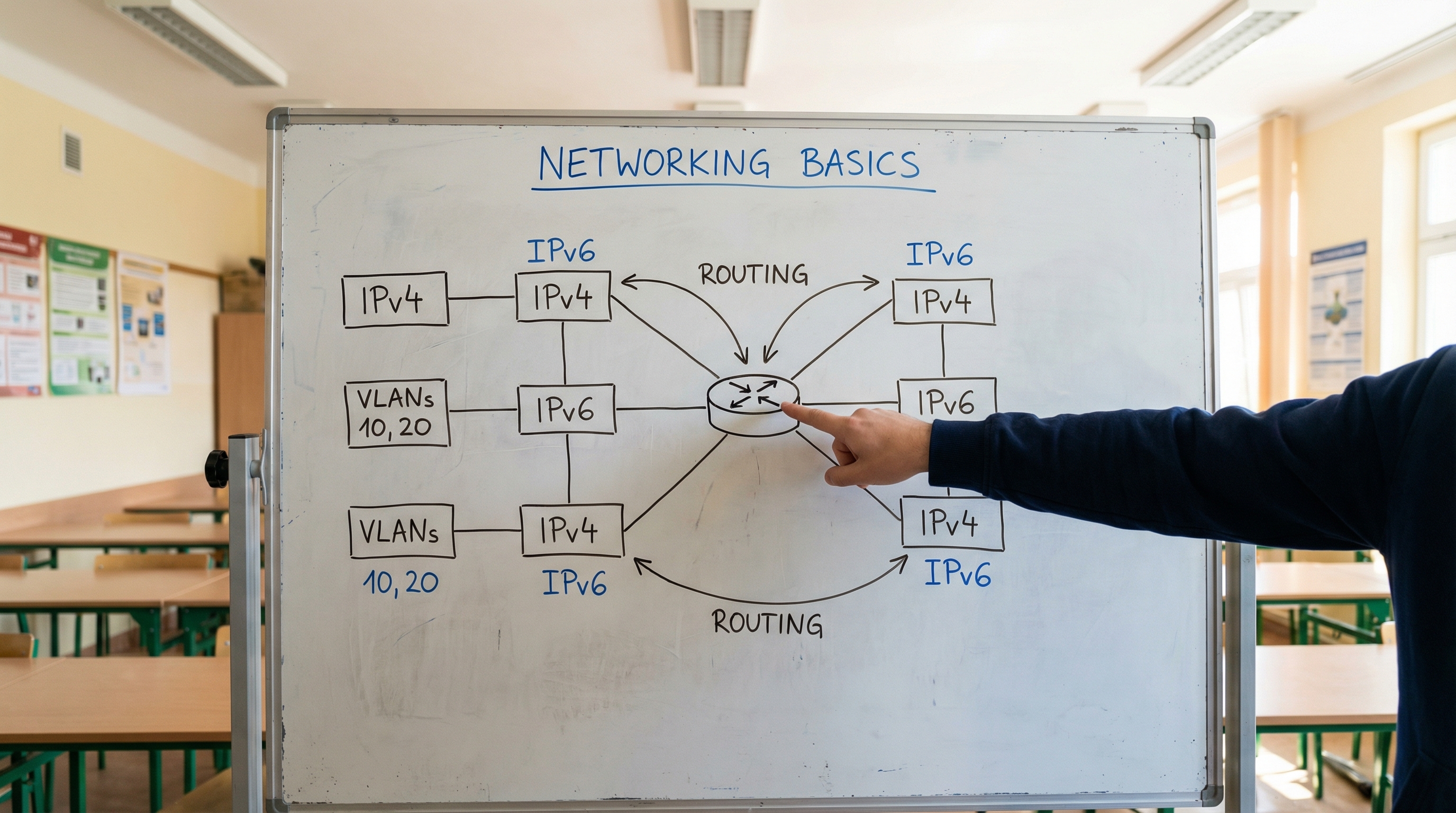
The Cisco CCNA has been a cornerstone certification in the IT industry since the late 1990s. Designed as an entry-level credential, it proves your ability to install, configure, and troubleshoot basic networks. The current exam (code 200-301) covers:
- Network fundamentals and topologies
- IP addressing for IPv4 and IPv6
- Routing, switching, VLANs, and ACLs
- Network automation and programmability
- Basic network security
No formal prerequisites are required, though Cisco recommends some hands-on experience. This makes it accessible for career changers and entry-level professionals alike.
Why Is CCNA Certification So Respected in 2025?
Employers across the globe continue to value the CCNA because it signifies genuine, practical networking knowledge. Unlike more generalist certificates, the CCNA is vendor-specific, giving it more depth and hands-on focus. It demonstrates to recruiters:
- You understand core networking concepts and protocols (like TCP/IP, DHCP, NAT, and Wi-Fi)
- You have experience with real-world configuration commands and troubleshooting
- You are motivated and committed enough to invest in your own professional growth
The CCNA acts as a filter in automated application systems, helping your resume surface when applying for network support, NOC, or junior engineer roles—even if the company’s networks are not exclusively Cisco-based. This is especially true when you understand what IT skills employers look for in candidates.
Who Should Pursue the CCNA?
The CCNA is especially beneficial for:
- Adults changing careers into IT who want to prove job readiness
- Entry-level IT professionals looking to move beyond help desk or support roles
- Veterans and those without a traditional tech degree
- Anyone interested in a pathway to higher-level roles in networking or cybersecurity
It’s also a great springboard for future specialization, such as network security, automation, or more advanced Cisco certifications (CCNP, CCIE). Many candidates wonder how it compares to other options like CCNA vs Network+.
What Jobs Can You Get with a CCNA?
- Network Support Engineer: Manage and troubleshoot company networks
- NOC Engineer: Monitor and maintain network performance in data centers or ISPs
- Technical Support Executive: Provide direct support for network issues
- Wi-Fi Installation/Support: Set up and maintain wireless networks
- Entry-level Cybersecurity Roles: Many cybersecurity paths require strong networking fundamentals
With experience and further upskilling, you can move into roles like Network Administrator, Security Analyst, or Systems Engineer. The CCNA is recognized globally, with demand in the USA, Canada, UAE, Singapore, and across Europe.
How the CCNA Compares to Other Entry-Level Certifications
While certifications like CompTIA Network+ overlap in some content, the CCNA is often favored by employers due to its vendor-specific depth and hands-on focus. CompTIA’s generalist approach is valuable, but the CCNA’s practical labs and configuration skills are more closely aligned with the needs of real IT operations and support teams.
Preparing for the CCNA: What to Expect
- Exam Duration: 90 minutes, multiple-choice and hands-on simulation questions
- Study Time: Most candidates spend about 2 hours a day for 2 months, though this varies
- Exam Fee: $300 per attempt
- Pass Rate: Around 50% on first attempt (many candidates pay for multiple tries and study materials)
Success requires more than just reading books. Hands-on labs—using tools like Cisco’s Packet Tracer—are critical. Structured programs, like the NGT Academy Network Engineer Program + Cybersecurity Accelerator, offer guided labs, mentorship, and job-ready projects that help you master practical skills and stand out to employers.
Is CCNA Certification Worth It in 2025 for Career Switchers?
The job market for IT networking and cybersecurity continues to expand, with global spending on information security projected to triple between 2017 and 2030. Despite the rise of automation and new technologies, organizations still need skilled professionals to maintain, secure, and optimize their networks. The CCNA is your gateway to these opportunities.
Advantages for Career Changers
- No degree required: The CCNA lets you compete for jobs even without a traditional background
- Fast track: Programs like NGT Academy’s can get you job-ready in months, not years
- Proven job outcomes: Employers trust CCNA-certified talent, especially those with hands-on project experience
For those coming from non-technical backgrounds, or veterans transitioning to civilian careers, the CCNA offers a clear, practical path into IT. With proper training and support, you can break into a high-demand field and continue to grow. Many people start even with no technical background, similar to guides like how to get an IT job with no experience.
Career Growth and Next Steps After CCNA
Passing the CCNA is only the first step. To truly maximize your IT career, you should:
- Apply to a wide range of relevant jobs—persistence is key in the tech hiring process
- Continue learning, with a focus on hot skills like Python scripting, network automation, and cybersecurity fundamentals
- Consider advanced certifications (CCNP, cybersecurity specialties) as you gain experience
- Build a portfolio of hands-on labs and projects to showcase your abilities
- Leverage mentorship and career support, such as that offered by NGT Academy, to navigate interviews and job placement
Structured, hands-on training programs not only prepare you for the CCNA exam but also provide real-world scenarios and personalized coaching to help you land your first job or promotion.

How to Make the Most of Your CCNA Journey
1. Choose the Right Training Environment
Look for programs that emphasize live instruction, 24/7 lab support, and mentorship. Self-study can work, but structured cohorts dramatically increase completion rates and job placement.
2. Focus on Hands-On Labs
Employers want proof you can do the work, not just pass an exam. Use Packet Tracer and other tools to practice real configurations. NGT Academy’s curriculum is built around practical labs and job scenarios to ensure you’re job-ready.
3. Leverage Career Coaching
Resume reviews, mock interviews, and job search strategies add immense value. Many candidates underestimate how much coaching helps with job placement and career advancement.
4. Stay Up-to-Date
Networking technology evolves quickly. Stay current by engaging in continuous learning, joining professional communities, and pursuing advanced certifications as you grow.
Ready to Start Your IT Career?
The CCNA certification is a tried-and-true starting point for launching a career in networking or cybersecurity. With industry demand rising and companies seeking proven, hands-on skills, now is an excellent time to invest in your future. If you are ready to take the next step, explore the NGT Academy Network Engineer Program + Cybersecurity Accelerator to access expert instruction, career coaching, and a proven path to IT employment.
FAQ
What is covered in the CCNA certification exam?
The CCNA exam tests your knowledge of network fundamentals, IP addressing, routing, switching, VLANs, network security basics, and network automation. It combines multiple-choice questions with practical, hands-on configuration and troubleshooting scenarios.
Is CCNA certification enough to get a job in IT?
Yes, the CCNA can qualify you for entry-level networking roles such as network support, NOC engineer, and technical support positions. However, practical experience and continuous upskilling will improve your job prospects and career growth.
How long does it take to prepare for the CCNA?
Most candidates spend about two months preparing, studying two hours a day. Hands-on labs and structured training programs can accelerate your readiness.
Does NGT Academy help with CCNA exam preparation and job placement?
Absolutely. NGT Academy’s Network Engineer Program + Cybersecurity Accelerator provides live instruction, practical labs, mentorship, and career coaching to ensure you are prepared for both the CCNA exam and real-world job interviews.
What are the next steps after earning the CCNA?
After the CCNA, you can pursue advanced certifications (like CCNP), specialize in cybersecurity, or expand your skills with scripting and automation. Continuous learning and hands-on experience are key for career advancement.