
IT Industry Trends: Network Automation and SDN Job Market Insights for Career Changers
IT Industry Trends Network Automation SDN: Job Market & Skills


The IT industry is undergoing rapid transformation, and understanding the latest IT industry trends in network automation and SDN (software-defined networking) is essential for anyone considering a career move or advancement in this field. Whether you are a career changer, a veteran, or an entry-level IT professional aiming to move up, this article will guide you through the evolving landscape, the skills in high demand, and the job prospects that await those willing to specialize in network automation and SDN.
What Are the Key IT Industry Trends in Network Automation and SDN?
IT industry trends in network automation and SDN include the shift from manual network management to AI-driven automation, the increasing intertwining of cybersecurity and networking, the proliferation of software-defined technologies, and a surge in demand for professionals with specialized, advanced skills. Employers seek those who can bridge networking, security, and automation, offering higher salaries and more career mobility to candidates with these hybrid skill sets.
The Shift from Manual Tasks to Automation
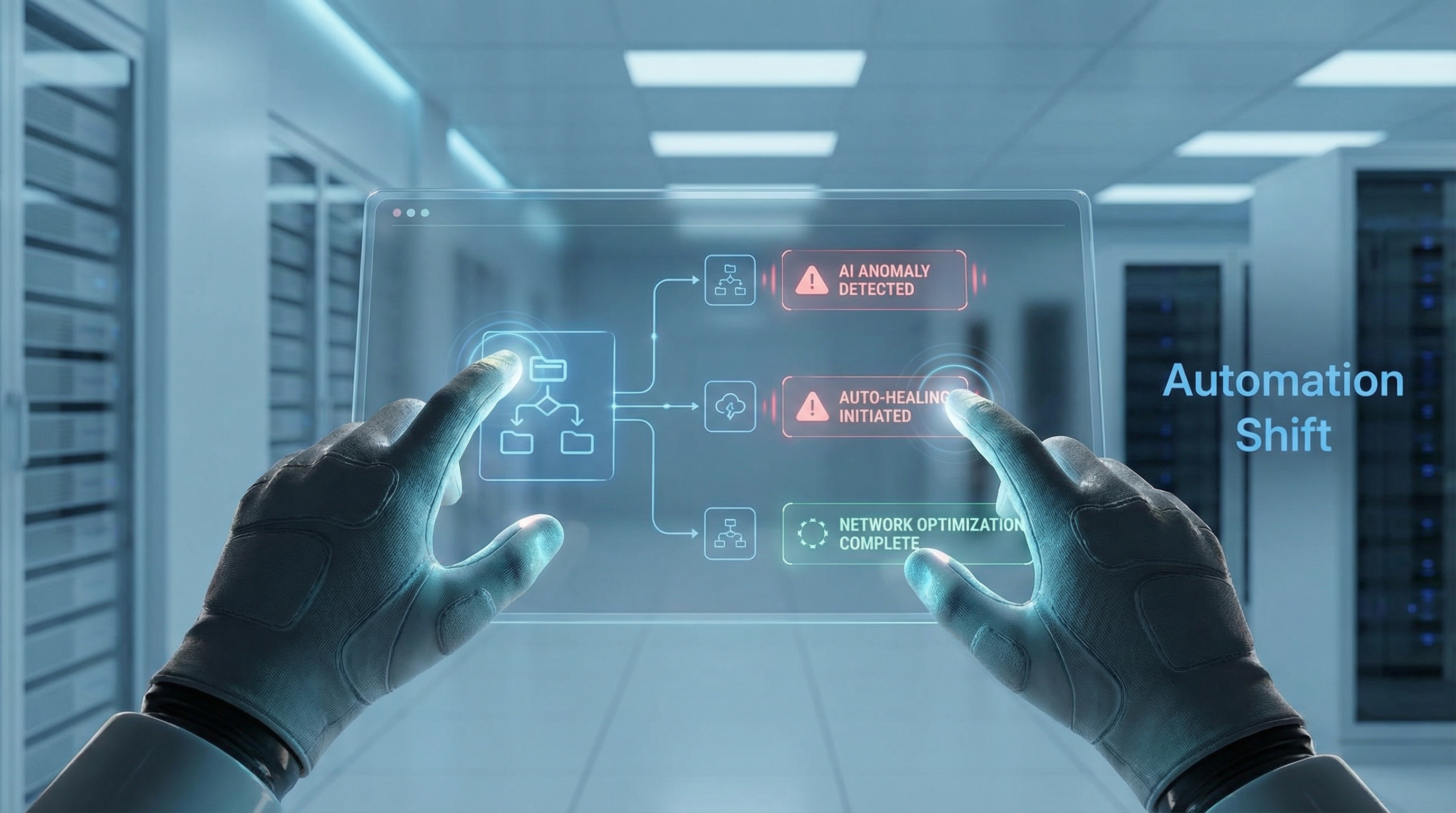
One of the most significant changes in the IT job market is the automation of routine network management tasks. Organizations are leveraging artificial intelligence (AI) and machine learning to handle incident response, change management, and network monitoring. This means fewer roles are focused on manual configuration, and more opportunities arise for professionals who can design, optimize, and oversee automated systems.
- AI-driven network operations are becoming standard in both enterprise and mid-sized companies.
- Automating routine tasks reduces troubleshooting time and increases operational efficiency.
- Human intervention is now reserved for complex, high-risk decisions, elevating the role of experienced engineers.
For those looking to break into IT or upskill, focusing on automation tools, scripting (such as Python), and AI integration provides a competitive edge.
SDN: The Foundation for Modern Networks
Software-defined networking (SDN) is revolutionizing how networks are designed, managed, and secured. Unlike traditional networks that rely heavily on hardware, SDN leverages software to control network traffic, making it more agile and responsive to business needs. SDN skills are central to many advanced networking roles, especially as organizations move toward more programmable, scalable, and secure infrastructures.
- SDN enables rapid deployment of new services and applications.
- It allows for dynamic, policy-based management of networks, which is crucial for supporting AI and IoT workloads.
- Integration with security platforms is seamless, promoting a zero-trust approach to network access.
Mastering SDN concepts and technologies can open doors to top-paying jobs, such as network architect or security engineer.
How AI and Security Are Shaping Network Careers
The convergence of networking and cybersecurity is one of the defining IT industry trends in network automation and SDN. Security considerations are now intertwined with every aspect of network design and operation. As networks become more software-driven, the ability to secure data, devices, and connectivity at every layer is non-negotiable.
Why Security Skills Matter
- Security Access Service Edge (SASE) and zero trust architectures are being widely adopted.
- Network professionals must understand firewalls, secure access protocols, and AI-based threat detection.
- Employers highly value candidates who can combine networking prowess with cybersecurity expertise.
This creates significant opportunities for career changers and upskillers: even moderate exposure to automation and security raises your profile in the job market.
Emerging Technologies and In-Demand Skills
Staying ahead in IT requires a commitment to continuous learning and specialization. The following skills and technologies are especially sought after:
- Automation & Orchestration: Managing networks at scale using Python, APIs, and orchestration platforms.
- AI & Machine Learning Foundations: Supporting and optimizing infrastructure for AI workloads.
- SDN and Network Virtualization: Building programmable, scalable networks.
- Edge Computing & IoT: Designing secure architectures for the rapidly growing universe of connected devices.
- Specialized Networking Protocols: Technologies like SONiC, SASE, and Wi-Fi 7 are becoming industry standards.
Certifications remain a powerful way to validate your expertise, especially when focused on automation, security, and SDN.
Job Market Insights: Roles, Salaries, and Opportunities
With the rise of automation and SDN, the job market is shifting toward advanced and hybrid roles. Employers are seeking professionals who not only understand traditional networking but also bring skills in automation, SDN, and cybersecurity.
Specialization and upskilling can significantly increase your earning potential. According to industry data, hybrid roles that combine network, security, and automation are the most lucrative and resilient to automation-related job displacement.
How to Upskill for a Career in Network Automation and SDN
For those looking to transition into IT or move up from entry-level positions, a practical, skills-based learning approach is key. Here is a mini-framework to guide your upskilling journey:
- Assess Your Current Skills: Identify gaps in automation, SDN, and security knowledge.
- Pursue Hands-On Training: Engage in labs that simulate real-world network automation and SDN scenarios.
- Earn Relevant Certifications: Focus on advanced, role-based certifications in areas like automation, SDN, and cybersecurity.
- Join Professional Communities: Participate in forums and groups to stay updated on the latest trends and best practices.
- Develop Soft Skills: Employers value teamwork, adaptability, and a willingness to learn as much as technical expertise.
NGT Academy’s Network Engineer Program + Cybersecurity Accelerator is designed to help career changers and entry-level professionals quickly acquire these in-demand skills, with hands-on labs, live instruction, mentorship, and direct career support.

The Future of Networking: Why Specialization Matters
As the pace of change accelerates, professional resilience in networking and cybersecurity comes from deep specialization and an understanding of how modern systems interconnect. Roles closest to critical business functions—such as uptime and security—offer the greatest rewards, both financially and in terms of career growth.
By leaning into emerging IT industry trends in network automation and SDN, you position yourself at the forefront of a dynamic job market. The combination of technical specialization, security awareness, and soft skills will keep you in high demand as employers seek professionals who can bridge technology and business objectives.
If you have questions about eligibility, financing, or how to get started, visit our FAQ page for more information and answers to common concerns.
FAQ
What skills are most valuable for careers in network automation and SDN? Employers seek skills in automation scripting (like Python), SDN concepts, cybersecurity, and hands-on experience with tools such as SASE, SONiC, and Wi-Fi 7.
How does network automation impact job opportunities in IT networking? Automation reduces manual tasks, increasing demand for professionals who can design, oversee, and optimize automated networks.
What is the difference between traditional networking and SDN? Traditional networking relies on hardware-based management, while SDN uses software to control and automate network traffic.
Do I need a degree to start a career in network automation or SDN? No, hands-on training, certifications, and practical skills are often more important than a traditional degree.
Which NGT Academy program should I choose for a career in this field? The Network Engineer Program + Cybersecurity Accelerator is ideal for those seeking a dual focus on networking and security.