
How Real‑World Labs Are Transforming Career-Ready IT Training vs Traditional Education
Real‑World Labs vs Traditional IT Education: Career-Ready Advantage

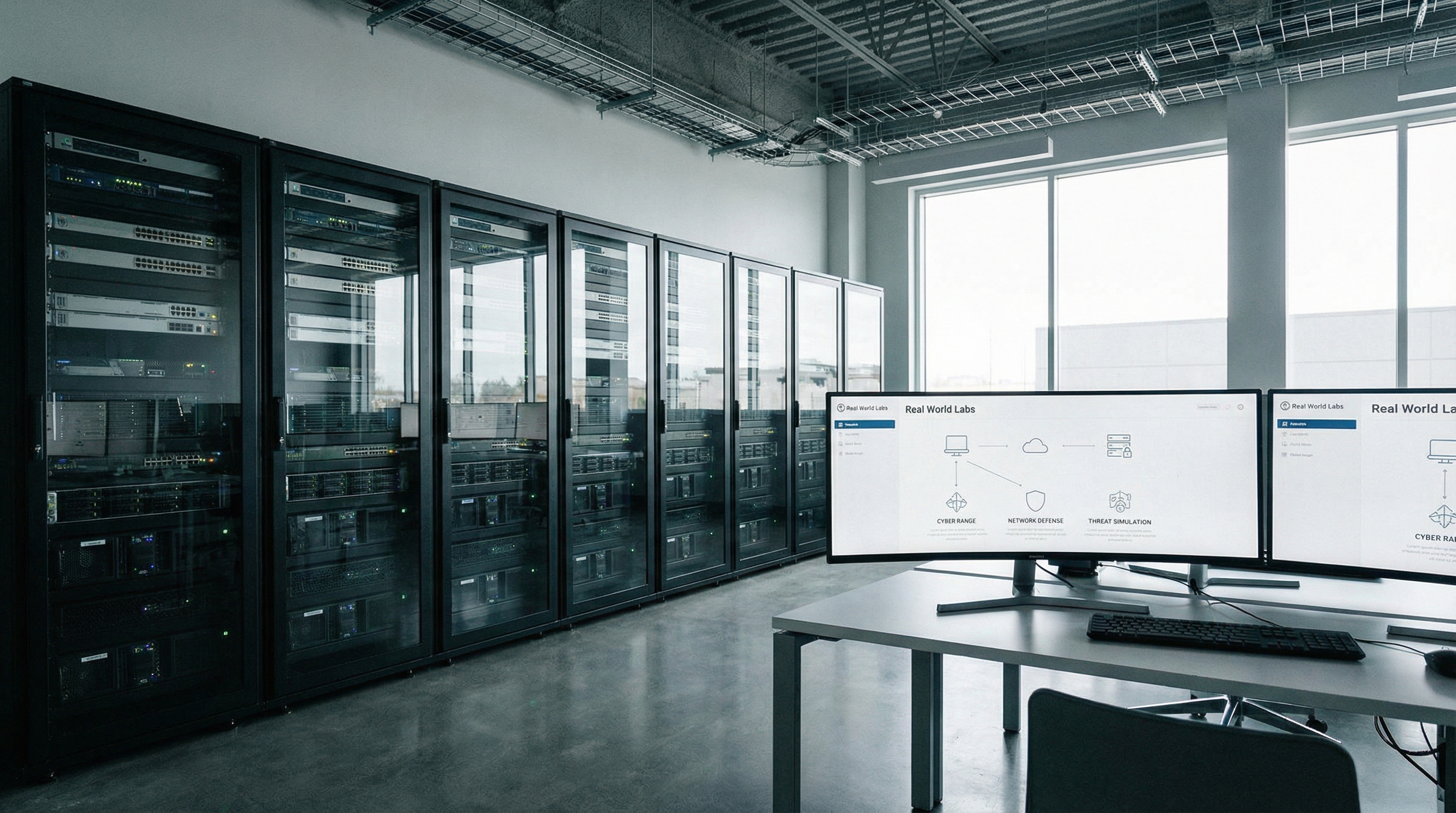
If you are considering a career switch into IT or cybersecurity, or looking to advance from an entry-level tech job, understanding the difference between real‑world labs vs traditional IT education is critical. This guide is designed for adults seeking hands-on, career-focused training that leads directly to employment opportunities, especially for those without a traditional degree or those returning to the workforce.
What Sets Real‑World Labs Apart from Traditional IT Education?
Real‑world labs provide hands-on, practical experience by simulating genuine IT and cybersecurity environments, while traditional IT education often relies on lectures and theory. For career changers and aspiring technologists, real‑world labs bridge the gap between academic learning and actual job skills by letting students practice, experiment, and problem-solve in live scenarios that closely mirror the workplace.
Understanding Real‑World Labs in Modern IT Training
Real-world labs are immersive, interactive environments designed to replicate the real infrastructure, platforms, and security challenges encountered on the job. Students can configure routers, troubleshoot networks, and investigate cyber threats in a safe, guided setting. This approach is rapidly gaining traction among top tech training providers as organizations increasingly demand job-ready graduates who can demonstrate skills, not just memorized knowledge.
Core Components of Real‑World Labs
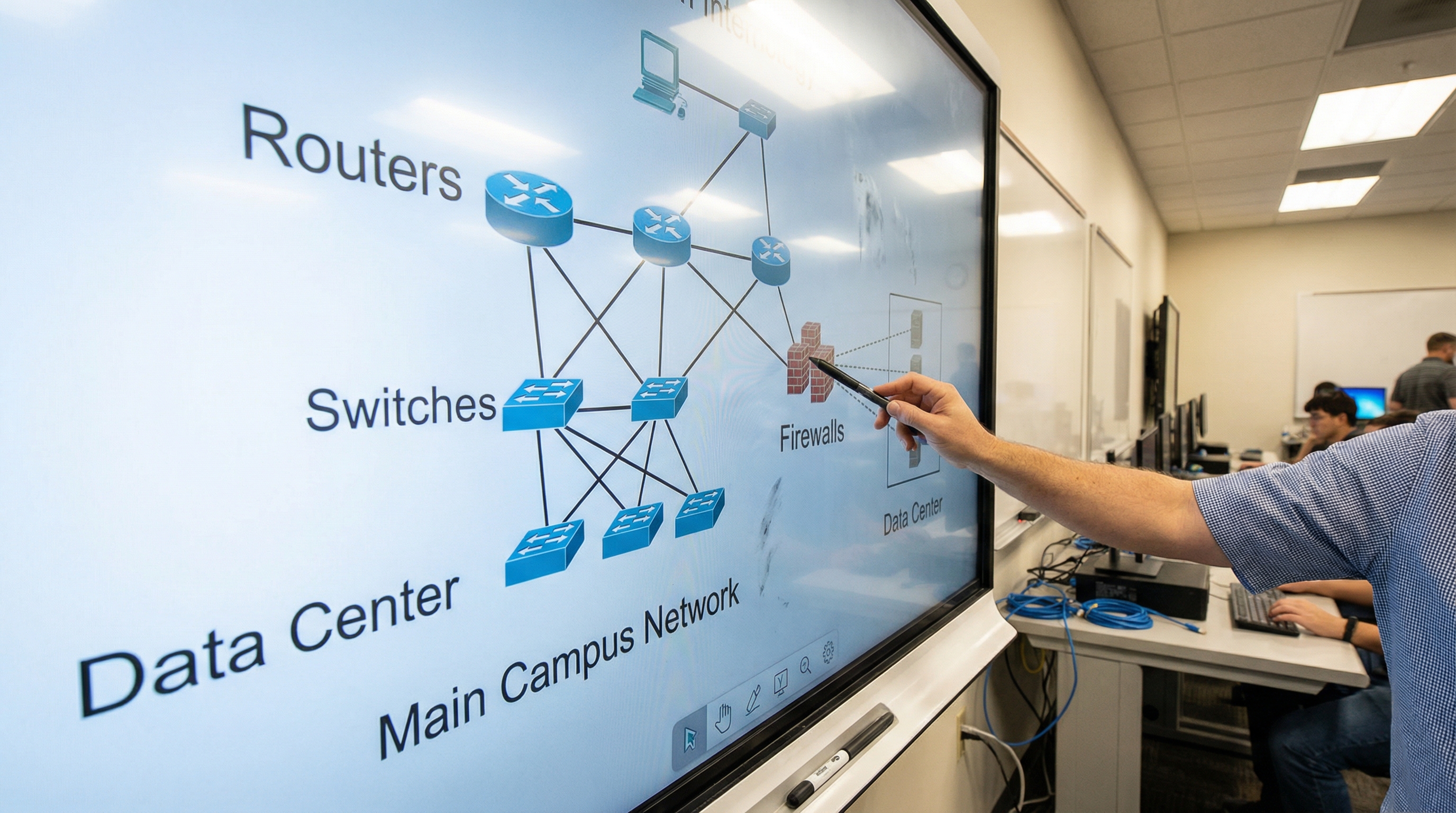
- Simulated IT infrastructure: Experience with switches, routers, firewalls, and servers.
- Live cybersecurity incident response: Practice defending against simulated attacks, malware, and vulnerabilities.
- Guided mentorship: Real-time feedback from expert instructors who have industry experience.
- Project-based assessments: Complete tasks similar to those required in actual IT roles, such as setting up secure networks or responding to breaches.
Traditional IT Education: Theory-Heavy, Practice-Light
Traditional IT education, such as university degrees or classroom-based certificate programs, has historically emphasized lectures, textbooks, and standardized exams. While foundational knowledge is important, this approach often lacks the immediate, practical exposure needed to solve real business problems. Graduates may find themselves underprepared when facing the dynamic, high-pressure environments typical in IT and cybersecurity roles.
Common Features of Traditional IT Education
- Emphasis on theory, concepts, and history of technology
- Limited access to hands-on lab time or expensive equipment
- Standardized testing over skills-based evaluation
- Curricula that can lag behind the latest industry trends
Why Do Employers Value Real‑World Labs?
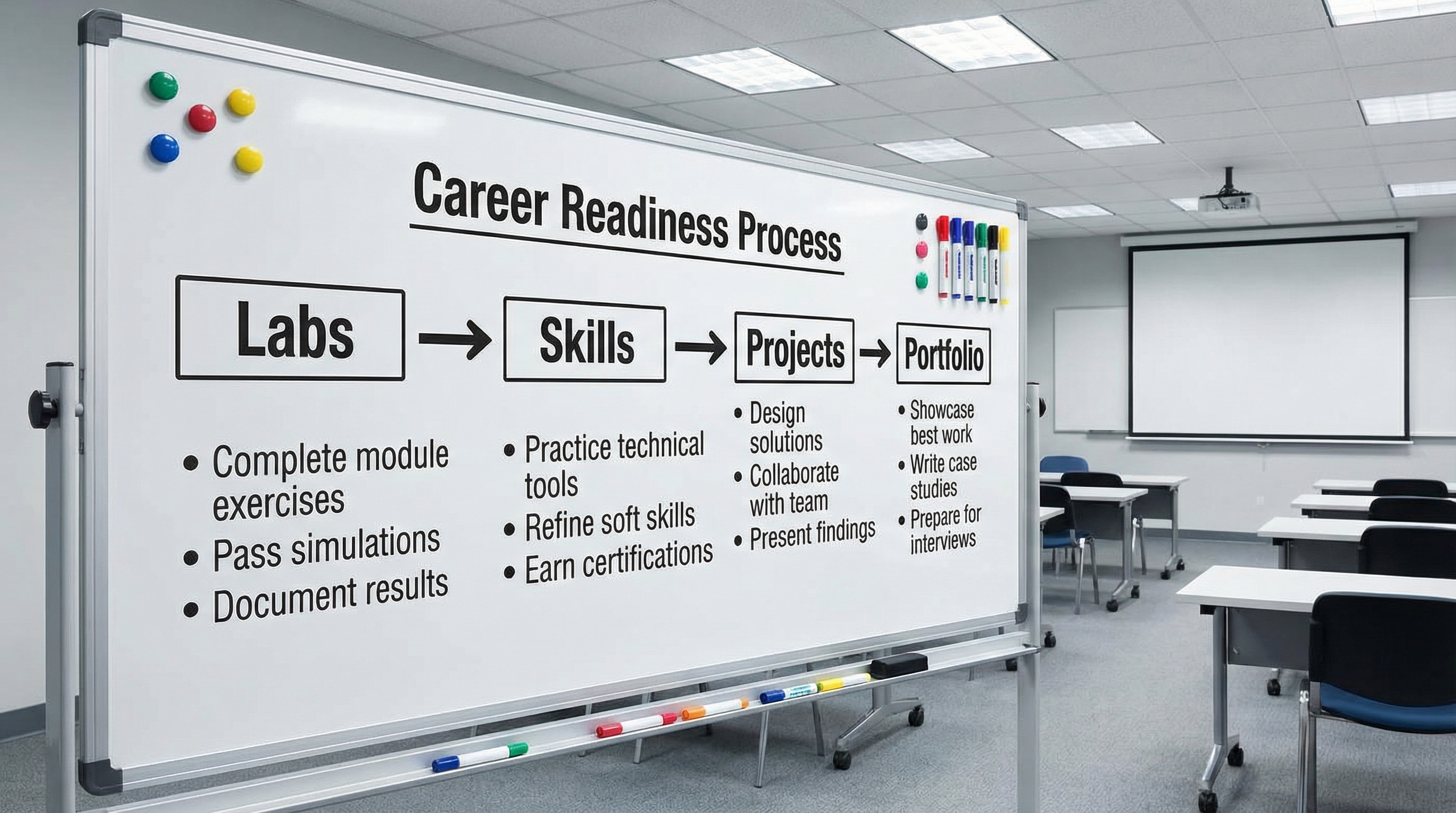
Hiring managers are increasingly prioritizing candidates who can demonstrate practical skills and job readiness from day one. Real-world labs give students the chance to build a portfolio of completed projects, troubleshoot real issues, and practice using the same tools and technologies deployed in the field. This leads directly to higher job placement rates and faster career advancement.
Key Employer Benefits
- Reduced onboarding time and training costs
- Greater confidence in new hires' technical abilities
- Evidence of hands-on problem-solving and adaptability
- Alignment with the latest cybersecurity and networking threats
How Do Real‑World Labs Foster Career-Ready Talent?
Modern training providers like NGT Academy are leveraging real-world labs to create a more engaging, personalized, and effective learning experience. Thanks to advances in AI and immersive technology, labs now feature scenario-based simulations, adaptive feedback, and authentic assessments tailored to each learner’s progress. These innovations ensure that graduates are not only knowledgeable but also confident and competent on the job.
Personalized, AI-Powered Learning
- Adaptive learning systems that adjust to skill level, pace, and learning style
- Predictive analytics to identify and address knowledge gaps early
- Continuous skills tracking to prepare for real certifications and interviews
Immersive, Scenario-Based Assessments
- Live simulations of cyber incidents and network outages
- Role-playing team exercises to build communication and leadership skills
- Portfolios of real artifacts, such as network diagrams and incident reports
Comparing Real‑World Labs vs Traditional IT Education: A Practical Table
| Aspect | Real‑World Labs | Traditional IT Education |
|---|---|---|
| Learning Method | Hands-on, simulated environments | Classroom lectures, textbooks |
| Assessment | Project-based, practical tasks | Written exams, quizzes |
| Industry Alignment | Current technologies and threats | Often outdated curricula |
| Mentorship | Industry-expert coaches, real-time feedback | Limited instructor interaction |
| Career Outcomes | Portfolio, job-ready skills | Degree/certificate, less experience |
Building Transferable Skills for IT and Cybersecurity Careers
Real-world labs are designed to develop both technical and soft skills essential for IT and cybersecurity roles. Students gain experience in troubleshooting, teamwork, communication, and adaptability. This hands-on approach also supports micro-credentialing, allowing learners to earn digital badges or stackable certificates that are recognized by employers and can be used to map clear advancement pathways.
Supporting Micro-Credentials and Practical Outcomes
- Earn digital badges for specific skills (e.g., network security, threat analysis)
- Stack credentials toward advanced roles (e.g., from help desk to network engineer)
- Showcase real project artifacts to employers
How NGT Academy Bridges the Gap
At NGT Academy, our mission is to help 1 million people launch successful tech careers by 2030. We use real-world labs, live instruction, and mentorship from industry veterans to ensure our graduates are not just prepared for certification exams but fully equipped for the demands of the workplace. Our Network Engineer and Cybersecurity Accelerator Program combines hands-on labs, scenario-based assessments, and career coaching to help you transition confidently into your next role.
Ready to see how real-world labs can accelerate your career in IT or cybersecurity? Explore our Network Engineer + Cybersecurity Accelerator Program for an in-depth, job-ready learning experience.
What Should You Look for in Career-Ready IT Training?
When evaluating tech education providers, prioritize programs that offer:
- Access to cloud-based or on-premises real-world labs
- Continuous, skills-based assessment and feedback
- Mentorship from experienced professionals
- Opportunities to build a portfolio of real projects
- Micro-credentials or stackable certifications
- Career support, including interview prep and job placement assistance
For more information on eligibility, program options, and next steps, visit our FAQ page.
Conclusion: The Future of IT Training Is Experiential
As the IT and cybersecurity landscape evolves in 2026, real-world labs are establishing a new standard for career-ready training. These hands-on environments empower learners to build practical skills, adapt to emerging technologies, and stand out in a competitive job market. For adults seeking a transformative, employment-focused learning experience, real-world labs offer the direct path from classroom to career.
FAQ
What is the main difference between real‑world labs and traditional IT education?
Real-world labs focus on hands-on, practical experience, while traditional IT education is more theory-based and often lacks direct application to real job scenarios.
Do employers prefer candidates with real-world lab experience?
Yes, employers increasingly value candidates who can demonstrate hands-on skills and job readiness gained through real-world lab training.
How do real-world labs improve job placement rates?
They allow students to build portfolios, solve real problems, and practice using industry-standard tools, making them more attractive to hiring managers.
Can I transition from a non-technical background into IT using real-world labs?
Absolutely, real-world labs are designed to support career changers by providing guided, practical experience that bridges the gap from beginner to job-ready professional.
What programs at NGT Academy use real-world labs?
Our Network Engineer and Cybersecurity Accelerator programs integrate real-world labs, live instruction, and mentorship for comprehensive career preparation.