
Work-Life Balance in Cybersecurity Careers: How to Achieve Flexibility and Growth
Work-Life Balance in Cybersecurity Careers: Flexibility & Growth

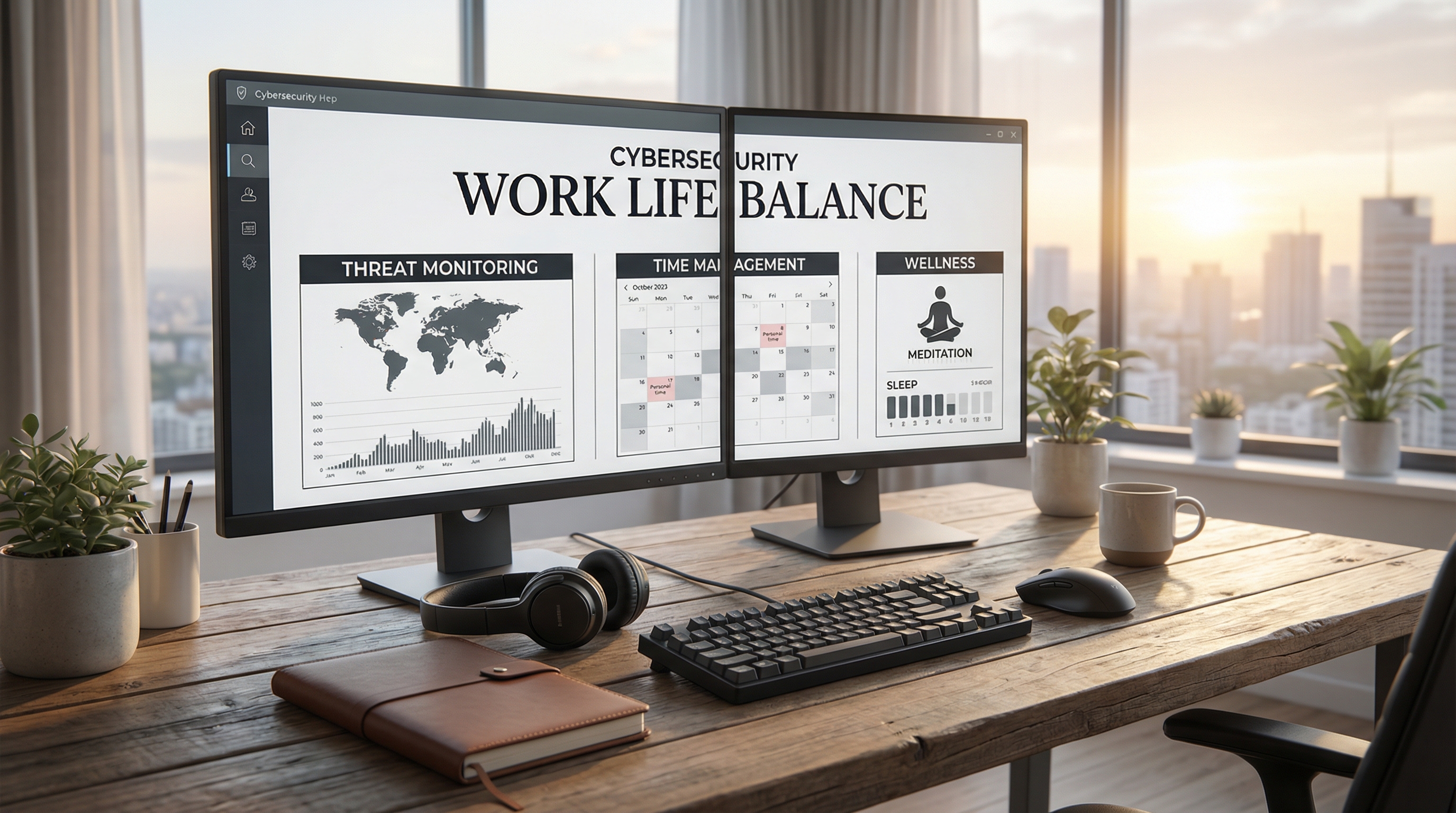
For adults considering a switch into cybersecurity or those already in entry-level IT roles, understanding how to sustain a long and rewarding career is just as important as technical skill. This guide explores work-life balance in cybersecurity careers, offering strategies for managing stress, leveraging remote work, and maintaining continuous professional growth. Whether you are a career changer, veteran, or tech enthusiast seeking hands-on training that leads to real jobs, this article is for you.
Work-life balance in cybersecurity careers means achieving a sustainable routine where professional responsibilities, ongoing learning, and personal well-being are all prioritized. With high demand and evolving threats, professionals must manage stress, set boundaries, and invest in their continuous development to thrive and avoid burnout.
Why Work-Life Balance Matters in Cybersecurity
Cybersecurity roles are renowned for their high-stakes environment, unpredictable incidents, and pressure to stay ahead of threats. It is common for professionals to work between 40 and 45 hours per week, but shifts can extend during emergencies or major security events. According to industry research, over 46% of cybersecurity professionals cite job stress as a key reason for leaving their roles, and burnout is a well-documented risk.
The sector's persistent talent shortage means opportunities abound, but it also increases workloads for existing staff. Maintaining a healthy work-life balance is crucial not just for personal health, but for long-term success and satisfaction in the field.
What Are the Unique Work Demands of Cybersecurity?
Cybersecurity professionals must respond quickly to incidents, keep pace with evolving threats, and continuously upgrade their skills. The job often involves:
- Managing 24/7 operational models or on-call rotations
- Staying alert for critical incidents that can arise at any time
- Balancing daily tasks with ongoing education and certification requirements
- Handling high-pressure situations, especially in heavily regulated sectors like healthcare or finance
These factors make it essential to implement self-care routines and strong time management practices.
How Remote Work Is Transforming Cybersecurity Careers
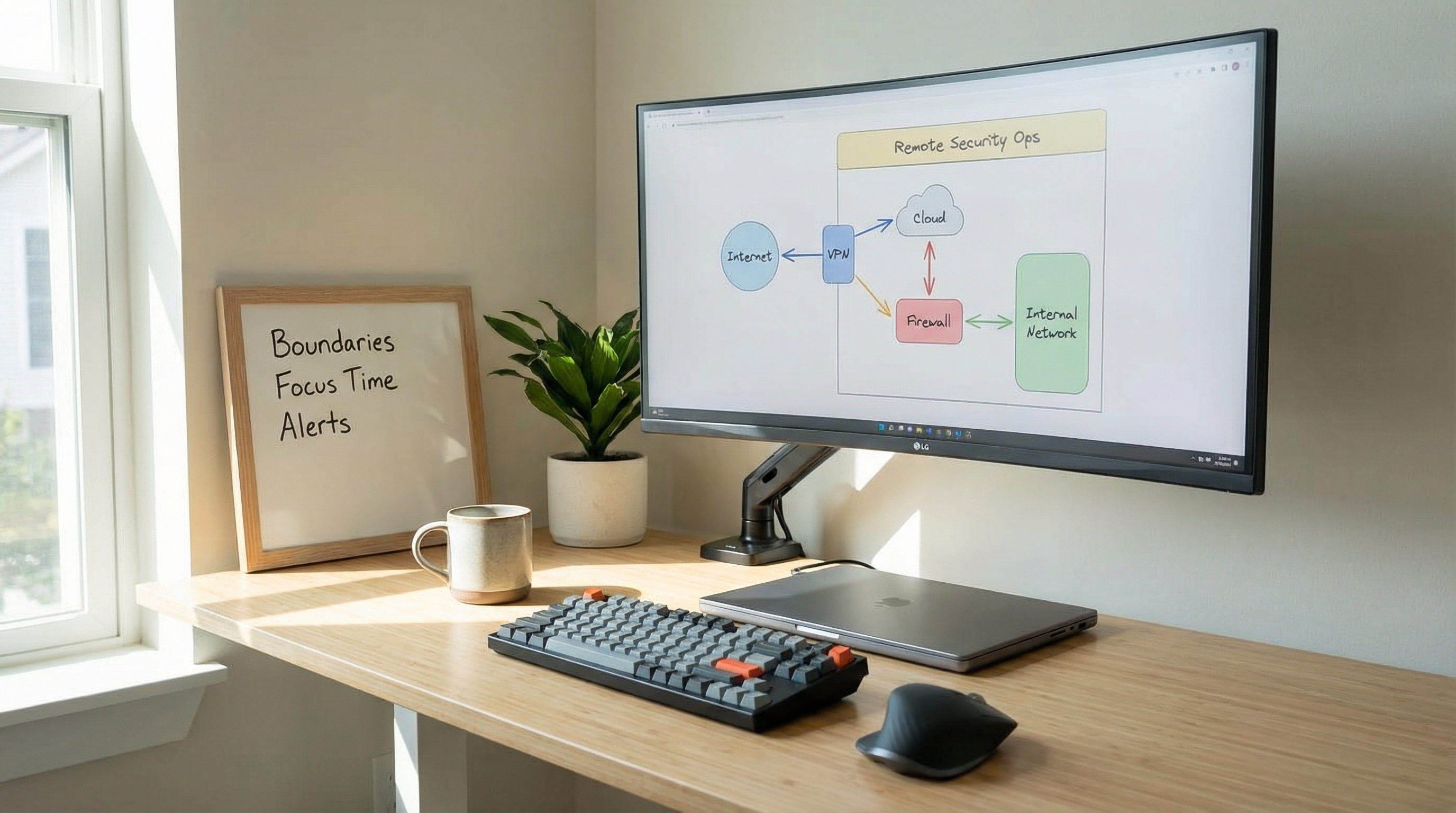
Remote and hybrid work are now common in cybersecurity, offering flexibility but also blurring the line between professional and personal time. While 25% of cybersecurity employees in advanced economies are projected to work remotely part-time, remote work can lead to longer hours if boundaries are not maintained.
- Advantages: Flexibility to design your workday, reduced commuting stress, and opportunities to work for global employers.
- Challenges: Risk of "always on" culture, difficulty disconnecting after hours, and the need for dedicated workspace and clear communication with teams.
Establishing a structured routine, setting clear work hours, and communicating your availability are key to sustaining balance in a remote cybersecurity career.
Building Sustainable Work-Life Balance: A Practical Framework
1. Prioritize Self-Care
- Incorporate regular exercise, even if brief, to combat sedentary routines.
- Maintain a nutritious diet and avoid skipping meals during hectic periods.
- Aim for at least six hours of sleep each night to support memory and learning.
2. Set Boundaries and Routines
- Define your work hours and communicate them to colleagues.
- Use digital detox periods to recharge set aside time daily without emails or alerts.
- Adopt morning and evening rituals to transition in and out of work mode.
3. Master Time Management
- Utilize the Pomodoro Technique or Eisenhower Matrix to organize tasks and prevent overwhelm.
- Schedule short, frequent breaks to boost focus and reduce fatigue.
- Leverage productivity apps or time-tracking tools to visualize and optimize your workflow.
4. Leverage Peer Support and Mentorship
- Connect with peers and mentors to share challenges and solutions.
- Seek organizations or programs, like NGT Academy, that offer mentorship and a supportive learning environment.
Continuous Professional Growth Without Burnout
Cybersecurity demands ongoing skills development to keep up with rapidly changing technologies. However, continuous learning should be structured to avoid contributing to burnout.
Strategies for Sustainable Learning
- Treat professional development time as an essential appointment in your calendar.
- Choose hands-on, practical training that integrates with your daily work labs, cyber ranges, and project-based learning are highly effective.
- Build and update a portfolio to showcase your skills and achievements.
- Focus on certifications that align with your desired career path, such as CEH, CND, CPENT, or CHFI.
By integrating learning into your regular schedule and prioritizing practical application, you can grow your career without sacrificing personal well-being.

Career Advancement: From Entry-Level to Expert
The cybersecurity industry offers a clear pathway for advancement, with high job security and competitive salaries. Entry-level roles such as cybersecurity analyst or network defender can lead to specialized positions like incident response manager, penetration tester, or AI security specialist. Demonstrable skills, a strong portfolio, and relevant certifications are the most important assets for career mobility.
According to salary data, entry-level professionals can expect $74K $110K, while senior specialists and executives may earn $154K $420K+, depending on role, location, and expertise. Hands-on labs and mentorship, such as those offered in the Network Engineer Program + Cybersecurity Accelerator, are invaluable in bridging the gap from learning to employment.
Organizational Support and Culture
The best employers understand the importance of well-being. Look for organizations that offer:
- Mental health days and flexible scheduling
- Structured opportunities for skills development
- Open communication about workloads and stress
- Peer support groups or mentorship programs
At NGT Academy, our mission is to help 1 million people launch tech careers by 2030, supporting not only your technical growth but also your long-term career health and satisfaction. Learn more about our commitment to your success on our mission page.
Key Takeaways for Sustaining a Cybersecurity Career
- Work-life balance in cybersecurity careers is essential to longevity and professional satisfaction.
- Remote work and flexible schedules can be powerful tools if managed with clear boundaries.
- Continuous learning is non-negotiable, but it must be structured to avoid burnout.
- Practical experience, certifications, and a supportive culture are the foundation for advancement.
- Programs like NGT Academys offer hands-on labs, mentorship, and career coaching to help you thrive in a dynamic field.
FAQ
How can I maintain work-life balance in cybersecurity with unpredictable hours?
Establish clear work boundaries, communicate availability, and use time management techniques like the Pomodoro Method. Schedule regular breaks and prioritize self-care to manage stress during busy periods.
Does remote work in cybersecurity make balancing personal and professional life easier?
Remote work offers flexibility but requires discipline. Setting a dedicated workspace, defining work hours, and communicating with your team are key to preventing work from encroaching on personal time.
What are the best strategies for continuous learning in cybersecurity without burning out?
Integrate learning into your schedule as a non-negotiable task, focus on hands-on labs, and pursue certifications aligned with your career goals. Balance learning commitments with self-care and downtime.
How does NGT Academy support students work-life balance?
NGT Academy provides structured programs with hands-on labs, flexible scheduling, mentorship, and career coaching, helping students integrate learning with their personal and professional lives.
Are there career advancement opportunities for those who focus on work-life balance?
Yes. Employers value professionals who manage stress and demonstrate sustainable productivity. A balanced approach supports long-term growth, skill acquisition, and career advancement in cybersecurity.