
Zero to Engineer Framework: Launch Your IT Career from Scratch
Zero to Engineer Framework: Your Roadmap to IT & Cybersecurity


Are you ready to break into IT, networking, or cybersecurity but don’t know where to begin? The journey from zero to a six-figure career in tech can seem overwhelming, especially if you lack traditional experience or a degree. This guide to the zero to engineer framework is designed for adults switching careers, military veterans, and IT enthusiasts seeking hands-on, structured training that leads directly to real job opportunities. Whether you’re starting from scratch or aiming to move up from entry-level roles, you’ll discover a clear roadmap to building expertise and landing high-paying positions in the networking and cybersecurity fields.
What is the Zero to Engineer Framework?
The zero to engineer framework is a step-by-step learning path that transforms complete beginners into skilled networking or cybersecurity professionals through foundational knowledge, hands-on labs, industry projects, and career coaching. It emphasizes structured progression, practical experience, and employability, making it ideal for career changers and non-traditional learners.
Understanding the Zero to Engineer Journey
The zero to engineer framework is more than a set of courses—it’s a proven approach to mastering IT skills and securing employment. Unlike traditional degree programs, this framework focuses on real-world application, job-ready skills, and mentorship. It’s designed to support adults who want to switch careers efficiently, targeting roles like network engineer, cybersecurity analyst, SOC analyst, and penetration tester.
Who Can Benefit?
- Career changers with no IT background
- Veterans transitioning to civilian tech jobs
- Help desk or entry-level IT staff seeking advancement
- Tech enthusiasts without a degree but with strong motivation
What Are the Key Steps in the Zero to Engineer Framework?
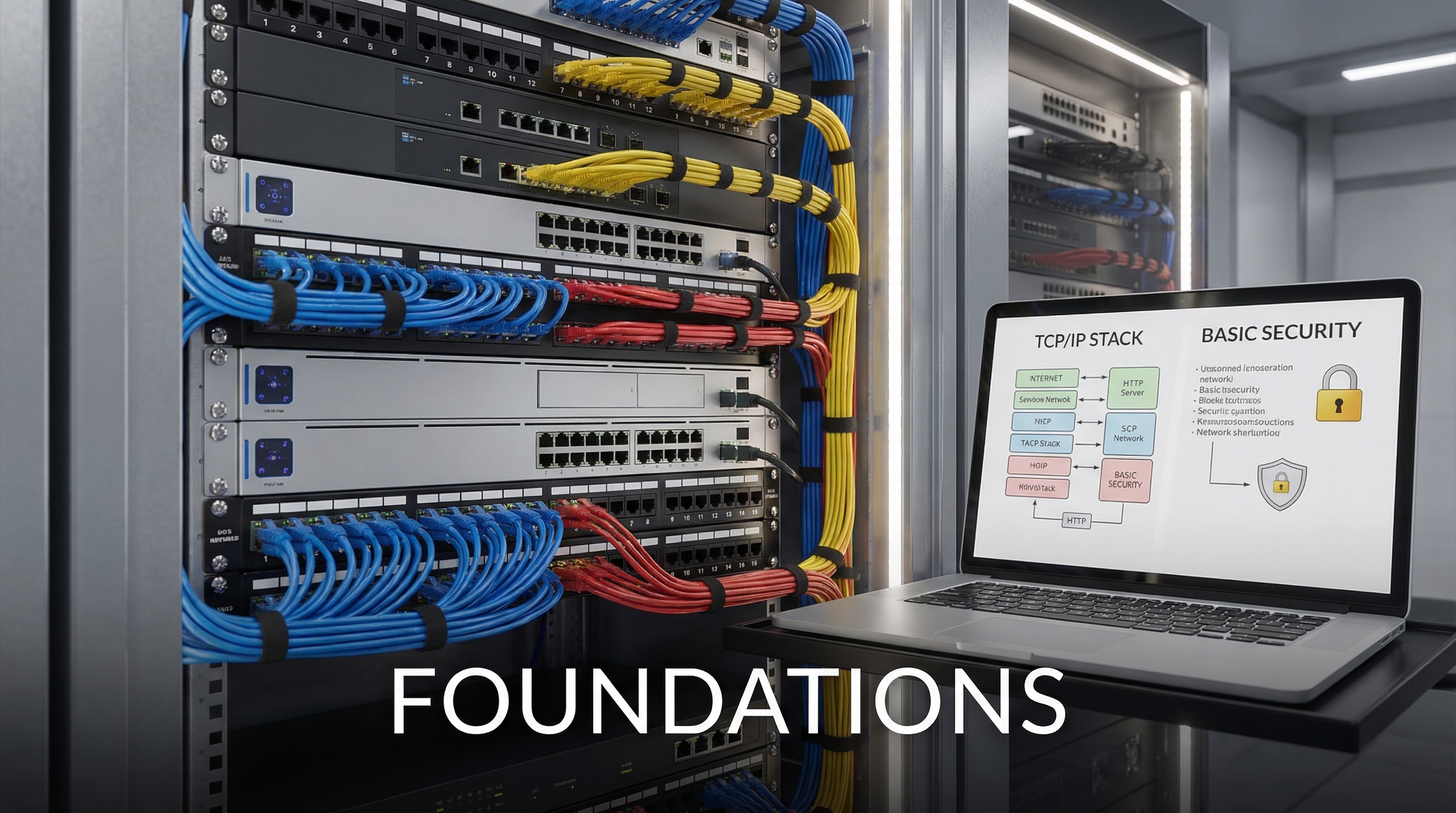
- Build Core Foundations: Start with basic computing, networking concepts (TCP/IP, routers, switches), and essential cybersecurity principles like the CIA triad, threats vs. vulnerabilities, and access controls.
- Hands-On Labs and Simulations: Apply theory in safe, virtual lab environments. Practice network monitoring, vulnerability scanning, configuring firewalls, and responding to simulated incidents.
- Project-Based Learning: Complete guided and independent projects—such as network traffic analysis with Wireshark, password security assessments, and web vulnerability scans—to develop real-world problem-solving skills.
- Specialize and Advance: Choose a focus area, such as security operations, penetration testing, or network engineering. Deepen your expertise through advanced labs and industry-standard tools (Nmap, Kali Linux, Burp Suite, Splunk, and more).

- Portfolio and Certification: Document your projects, participate in CTF (Capture the Flag) challenges, and pursue key certifications. Create a portfolio that demonstrates your skills to employers.
- Career Coaching and Job Prep: Get resume help, interview practice, and access to employer networks. Learn how to communicate technical concepts and showcase your hands-on experience.
How Does This Framework Lead to Six-Figure Careers?
The zero to engineer framework is built around practical outcomes, not just theory. Employers in IT and cybersecurity value job candidates who can demonstrate hands-on experience, familiarity with current tools, and the ability to solve real problems. By following a structured progression—from foundational concepts to advanced projects and certifications—you’ll be ready to secure roles with salaries ranging from $45,000 for entry-level up to $135,000 or more in mid-level positions. Many NGT Academy graduates reach six-figure roles within a few years of completing their training, thanks to their strong portfolios and direct employer connections.
Core Skills and Tools You Will Master
- Networking Fundamentals: TCP/IP, routers, switches, VLANs, network segmentation, VPNs
- Security Tools: Wireshark (network analysis), Nmap (scanning), Metasploit (testing), Kali Linux, Burp Suite, Splunk (log analysis), Snort (IDS/IPS)
- Cybersecurity Concepts: Threat analysis, malware types, incident response, risk assessment, encryption, authentication, authorization
- Portfolio Development: Guided and independent projects, CTFs, documentation best practices
- Soft Skills: Communication, teamwork, analytical thinking, adaptability
Project Examples to Include in Your Portfolio
- Network traffic analysis using Wireshark to spot suspicious behavior
- Vulnerability assessments on web applications and mobile devices
- Incident response simulations documenting investigation steps
- Penetration testing reports and exploit demonstrations
- Firewall rule optimization and risk analysis
Why Hands-On Practice Beats Theory Alone
Hiring managers consistently report that practical experience is what sets candidates apart. The zero to engineer framework prioritizes daily lab work, real-world projects, and regular exposure to evolving security threats. You’ll spend 30–60 minutes a day in labs and tackle weekly challenges, ensuring your skills stay sharp and relevant. This approach not only boosts your technical confidence but also prepares you for technical interviews that often test your ability to troubleshoot and solve problems on the spot.
Choosing Your Path: Networking vs. Cybersecurity Specialization
While the zero to engineer framework provides a strong base in both networking and cybersecurity, you’ll eventually choose a specialization based on your interests and the job market. Networking specialists focus on building, maintaining, and securing IT infrastructures, while cybersecurity professionals defend against threats, analyze incidents, and conduct vulnerability assessments. Both paths offer clear advancement opportunities and strong salary growth, especially as you add certifications and portfolio projects.
Common Career Paths and Salaries
Network Administrator: $55,000–$95,000
Security Analyst: $65,000–$105,000
Penetration Tester: $75,000–$135,000
Network Engineer: $80,000–$130,000
SOC Analyst: $60,000–$110,000
How to Get Started: Steps for Success
- Assess your current skills: Identify gaps in basic computing, networking, and security knowledge.
- Choose a structured training program: Opt for one with hands-on labs, real-world projects, and career support.
- Engage with mentors and peers: Join tech communities, participate in forums, and seek feedback on your projects.
- Document your work: Keep a portfolio with clear explanations, screenshots, and outcomes of your labs and projects.
- Stay current: Read security blogs, attend webinars, and keep up with new tools and threats.
Ready to launch your career with a proven, step-by-step approach? Explore the Network Engineer Program + Cybersecurity Accelerator to get live instruction, hands-on labs, and career coaching that connect you directly to employers.
What Makes the Zero to Engineer Framework Different?
Unlike self-paced online courses or traditional degrees, the zero to engineer framework combines structured learning with real-world relevance. You are never left to learn in isolation. Instead, you receive mentorship, guided labs, and practical assignments that mirror the day-to-day work of networking and cybersecurity professionals. This approach ensures not just technical knowledge but the confidence and communication skills needed to excel in job interviews and team environments.
If you’re curious about eligibility, financing options, or how NGT Academy’s programs fit your goals, visit our FAQ page for detailed answers.
FAQ
What is the zero to engineer framework and who is it for? The zero to engineer framework is a step-by-step learning pathway designed to help complete beginners or career changers master IT, networking, and cybersecurity skills through hands-on training, labs, projects, and career coaching. It’s ideal for adults with no prior experience, veterans, and entry-level IT professionals seeking advancement.
How long does it take to move from zero to a job-ready engineer? Most dedicated learners can become job-ready within 6–12 months, depending on their starting point and the time they invest in labs and projects. The framework ensures continuous skill-building, so you’re prepared for interviews and real IT roles.
Do I need a degree or prior experience to get started? No degree or previous IT experience is required. The zero to engineer framework is designed for absolute beginners and non-traditional learners. Commitment and willingness to practice are the most important factors.
What kind of jobs can I qualify for after completing the framework? Graduates can pursue roles like network administrator, SOC analyst, cybersecurity analyst, penetration tester, and network engineer. Salary potential ranges from entry-level ($45,000–$80,000) to six figures as you gain experience.
How does NGT Academy support me beyond technical training? NGT Academy provides mentorship, career coaching, resume and interview support, and direct employer connections to ensure you are not just skilled but also confident and competitive in the job market.