
Hands-On IT Training vs Traditional Degree: The Best Route to Certifications and Career Change Success
Hands-On IT Training vs Traditional Degree: Certifications & Skills


If you are considering a switch to an IT or cybersecurity career, you have likely faced the choice between hands-on IT training and a traditional degree. This article explores the differences, outcomes, and which path is superior for career changers, working adults, and entry-level professionals aiming to advance quickly and confidently in tech roles.
Hands-On IT Training vs Traditional Degree: Which Is More Effective for Career Changers?
For adults looking to break into IT or cybersecurity, hands-on IT training offers focused, practical skills, industry certifications, and faster job readiness than traditional degrees. By emphasizing real-world labs, project portfolios, and direct mentorship, hands-on training makes you job-ready in less time and better aligns with what employers in 2025 truly want.
The Core Differences Between Hands-On IT Training and Traditional Degrees
The educational landscape in technology has shifted rapidly. Traditional degrees provide broad academic knowledge and theoretical foundations, usually over several years. In contrast, hands-on IT training programs, like those at NGT Academy, are designed to deliver market-aligned, job-ready skills in networking, IT support, and cybersecurity within months. The difference is not just in speed and content but in how you learn and demonstrate your ability to hiring managers.
| Feature | Hands-On IT Training | Traditional Degree |
|---|---|---|
| Duration | 7–12 months | 2–4 years |
| Focus | Practical skills, labs, certifications | Theory, general education |
| Cost | Lower, less debt | Higher tuition, more debt |
| Job Readiness | Immediate, portfolio-based | Requires further upskilling |
| Employer Preference (2025) | Skills & certifications | Degree + skills needed |
Why Employers Now Prefer Skills and Certifications Over Degrees
In 2025, the tech job market is defined by rapid change and ongoing digital transformation. Employers place a premium on current, job-ready skills, proven through real-world projects and up-to-date certifications. While a degree signals consistency, it rarely proves direct capability with the latest technologies. Employers use coding challenges, portfolio reviews, and certification checks to validate candidates meaning hands-on learners are often more competitive from day one. This aligns closely with what IT recruiters look for in 2025.
How Does Hands-On IT Training Accelerate Career Change?
Hands-on IT training immerses students in realistic scenarios such as configuring networks, defending against cyber threats, and troubleshooting live systems. Programs like the NGT Network Engineer Program + Cybersecurity Accelerator ensure that 50% or more of your time is spent in interactive labs, not passive lectures. This approach builds true confidence, ensures skill mastery, and gives you a portfolio to showcase to employers. Many learners begin with no experience, similar to those in our guide on how to start a career in IT with no experience.
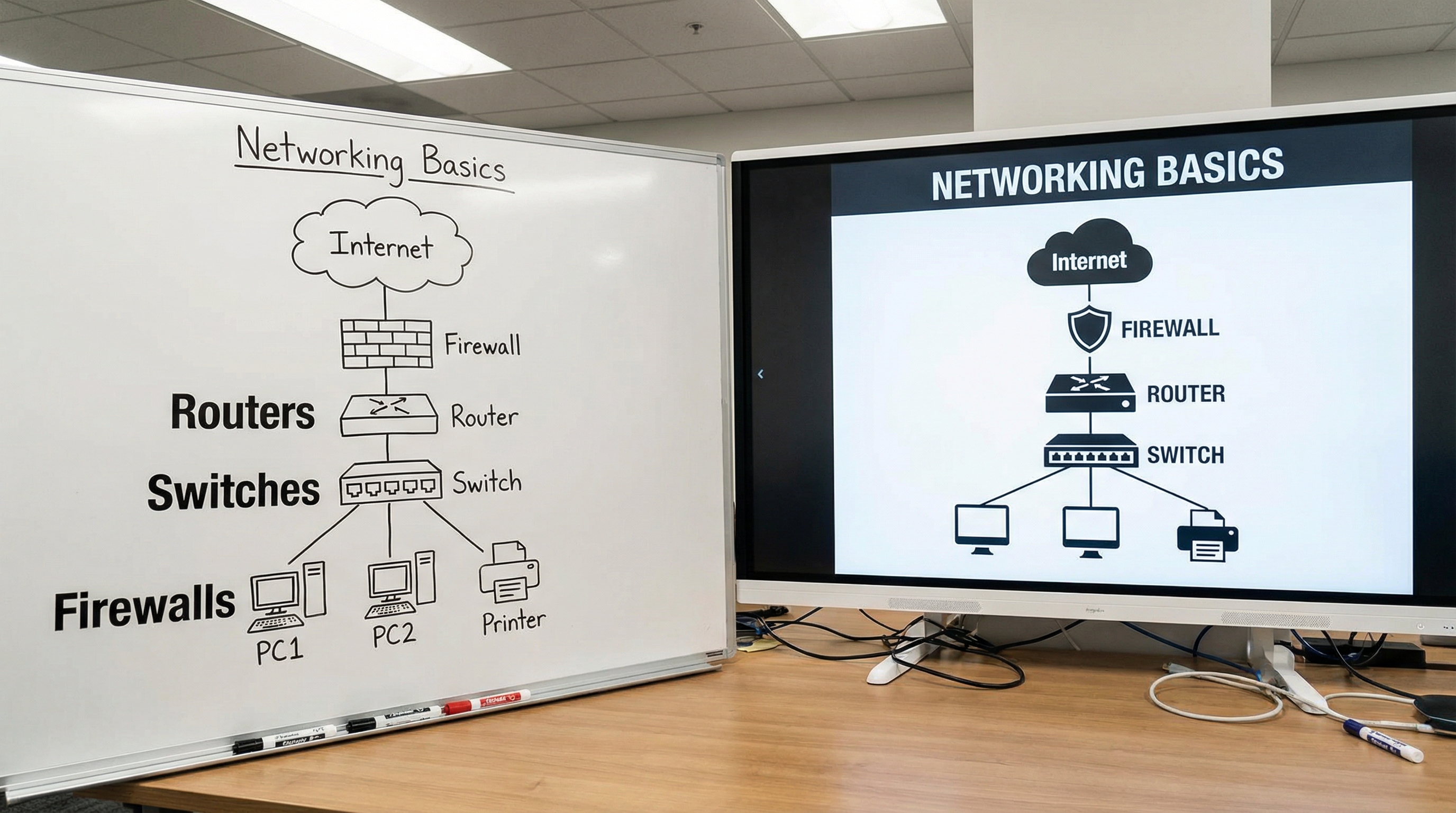
- Experiential learning: Practice configuring routers, setting up firewalls, and responding to real security incidents.
- Mentorship: Learn directly from seasoned IT professionals in small cohorts for maximum engagement and feedback.
- Portfolio building: Complete capstone projects and real-world scenarios to demonstrate capability to recruiters.
- Faster outcomes: Transition to IT roles in under a year, often with less cost and debt than a four-year degree.
What Are the Benefits of Earning IT Certifications?
Certifications such as CompTIA A+, Network+, Security+, and CISSP are recognized industry-wide and frequently listed on IT job postings. Hands-on training is closely aligned to these certifications, so you not only learn the material but also apply it in lab settings. This dual approach means you are well-prepared to pass exams and immediately contribute in the workplace. Certifications offer:
- Immediate job readiness: Employers see certifications as proof of practical ability.
- Career mobility: Switch or advance in fields like networking or cybersecurity with ease.
- Higher ROI: Certifications are affordable and lead to salary increases and more diverse roles.
- Continuous relevance: Certifications are updated to match current technologies and threats, unlike degrees that may become outdated.
Real-World Projects: The Key to Proving Your Skills
Employers in IT and cybersecurity look for candidates who can showcase their skills through tangible work. Hands-on programs incorporate portfolio-building from day one. For example, you may design a secure network, respond to simulated cyber incidents, or present solutions to real-world problems. These projects are more persuasive than academic transcripts and are highly valued by hiring managers. Creating a GitHub repository or LinkedIn portfolio with your projects can further boost your credibility and job prospects. Career changers often follow similar paths to those found in IT career change mid-life success stories.
Active Learning and Mentorship: The NGT Academy Difference
Active learning keeps students engaged, boosts retention, and prepares them to handle high-pressure situations. At NGT Academy, small class sizes ensure you receive personalized feedback and guidance from veteran instructors. Group projects, peer collaboration, and live problem-solving sessions foster both technical and soft skills critical for collaborating in real IT teams and advancing to leadership roles. This mentorship model is a proven driver of long-term confidence and success for career changers and veterans without a traditional tech background.
Is a Traditional Degree Still Worth It for IT and Cybersecurity?
While degrees can open doors in academia or specific government roles, they are no longer the only, or even the preferred, route for launching or advancing an IT career. For most job seekers, hands-on IT training combined with relevant certifications and a strong portfolio is the fastest, most effective way to enter or move up in the industry. This is especially true for adults balancing work or family, veterans transitioning to civilian careers, and anyone eager for a streamlined, practical path to employment.
How to Start Your Hands-On IT Training Journey

Step 1: Define Your Career Goals
Identify target roles in networking, IT support, or cybersecurity. List the skills and certifications required by employers.
Step 2: Assess Your Skill Gaps
Rate your current abilities against job requirements and prioritize skills to develop first.
Step 3: Choose a Program That Delivers Results
Look for training with a heavy hands-on component, personalized mentorship, and integrated certification prep. NGT Academy’s combined programs are designed for this purpose.
Step 4: Build Your Portfolio and Network
Complete real-world labs and capstone projects. Share your work on LinkedIn and GitHub. Engage with mentors and peers to grow your professional network.
Step 5: Prepare for Certification and Job Applications
Sit for industry-recognized certifications. Use your new skills and portfolio to stand out in applications and interviews.
Ready to make your move? Explore the Network Engineer Program + Cybersecurity Accelerator for a structured, hands-on path to IT job success.
The Future of Tech Hiring: Skills, Not Degrees
In 2025 and beyond, the tech industry values continuous learning, adaptability, and demonstrable ability. Hands-on IT training aligns perfectly with this trend, empowering career changers, veterans, and ambitious professionals to thrive without the time or debt of a traditional degree. By focusing on real projects, up-to-date certifications, and mentorship, you will be equipped to compete and succeed in networking, cybersecurity, and IT support roles regardless of your starting point.
Want to know more about our mission to help a million people launch tech careers? Visit our mission page to see how NGT Academy is transforming the future of IT education.
FAQ
What is the difference between hands-on IT training and a traditional degree?
Hands-on IT training emphasizes practical skills, labs, and real-world projects, while traditional degrees focus on theoretical knowledge over several years. The hands-on approach prepares you for certifications and immediate job roles, whereas degrees may require further upskilling for the workplace.
Can I get an IT job without a degree if I have certifications?
Yes, many employers now prioritize certifications and proven hands-on abilities over degrees. Certifications like CompTIA Network+ and Security+ validate your skills and readiness for IT and cybersecurity jobs.
How long does it take to complete hands-on IT training at NGT Academy?
Programs are designed to be completed in 7–12 months, enabling faster entry into IT roles compared to multi-year degree programs.
What kind of projects will I complete in a hands-on IT training program?
You will work on real-world labs, such as configuring networks, responding to cyber incidents, and building portfolio projects that demonstrate your technical and problem-solving skills to employers.
Is hands-on IT training suitable for career changers and veterans?
Absolutely. Hands-on programs are structured for adults with diverse backgrounds, offering mentorship, flexible learning, and direct pathways to in-demand tech jobs without requiring a prior degree.