
How Cloud & Edge Computing Affect Network Jobs: Skills, Roles, and Opportunities
How Cloud & Edge Computing Affect Network Jobs: Skills & Roles

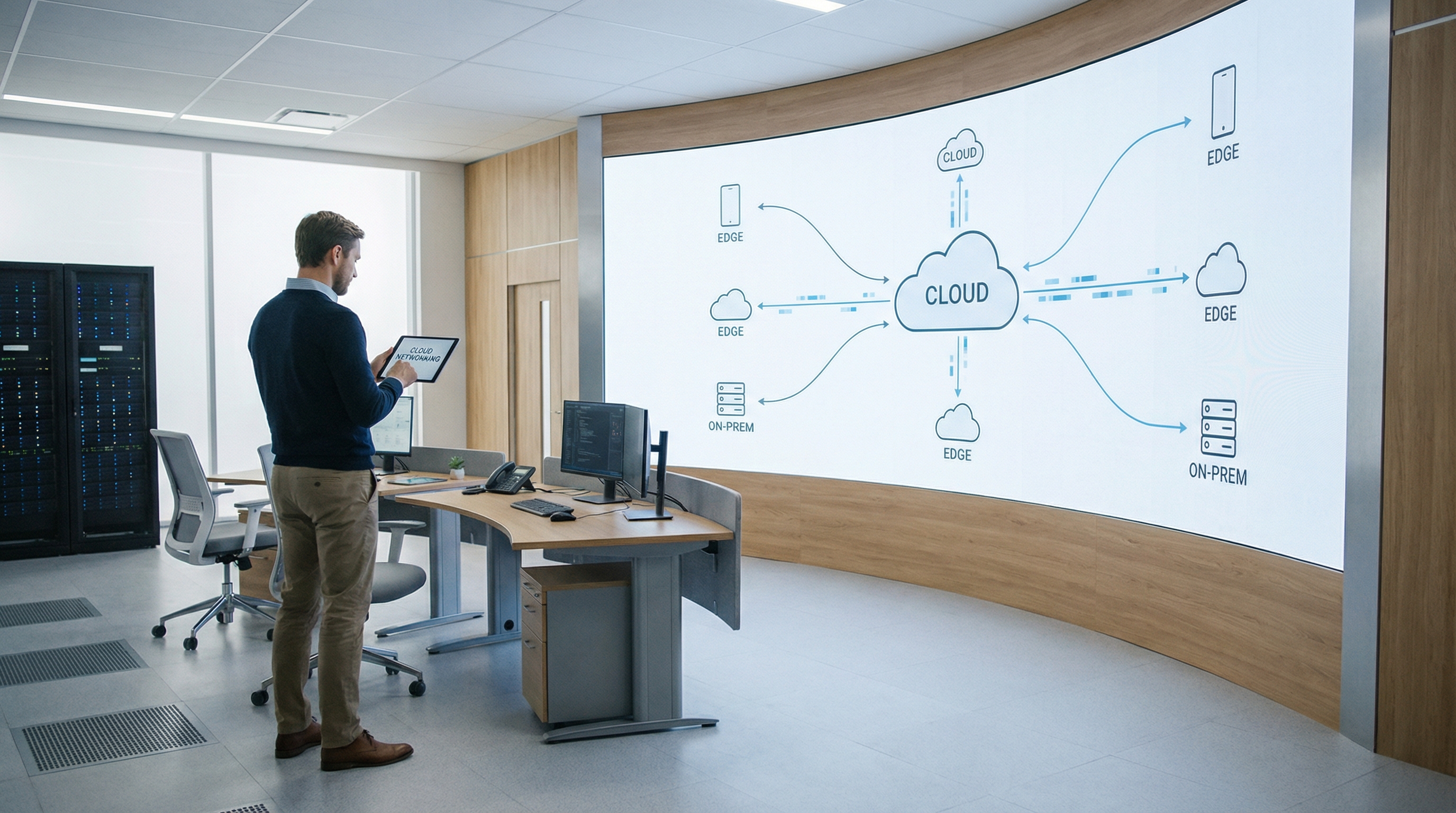
The rapid expansion of cloud and edge computing is transforming the IT and networking landscape, creating new challenges and opportunities for professionals. For adults looking to switch careers, upskill, or move from entry-level roles into network engineering or cybersecurity, understanding how cloud & edge computing affect network jobs is essential. This article explores the impact of these technologies on network careers, the skills in demand, and how you can position yourself for success in this evolving industry.
The Impact of Cloud and Edge Computing on Network Careers
Cloud and edge computing are shifting the way organizations design, manage, and secure their networks. Instead of relying solely on traditional, centralized data centers, companies now leverage distributed resources closer to the user or device. As a result, network professionals must develop new competencies and adapt to changing job requirements.
Cloud and edge computing are driving demand for network specialists who can manage complex, distributed environments, integrate security measures, and ensure seamless connectivity between cloud, edge, and on-premises resources. In 2026 and beyond, these technologies are expected to increase the need for IT pros with hybrid skills in networking, cloud, and cybersecurity, making now an ideal time to train for these roles.

What Are Cloud and Edge Computing?
Cloud computing refers to delivering computing services such as servers, storage, networking, and software over the internet, allowing organizations to scale resources on demand. Edge computing, on the other hand, processes data closer to where it is generated (like IoT devices or remote sites), reducing latency and bandwidth usage.
Both approaches are designed to improve performance, efficiency, and flexibility. However, they also introduce new network complexities and security concerns, which means network professionals play a critical role in ensuring smooth operations.
How Do Cloud & Edge Computing Affect Network Job Roles?
The shift toward cloud and edge environments is reshaping network job descriptions and career paths. Here are some key effects:
- Expanded responsibilities: Network engineers now work with virtualized networks, manage hybrid and multi-cloud environments, and collaborate closely with cybersecurity teams.
- Increased emphasis on automation: Automation tools and software-defined networking (SDN) are essential for managing large-scale, dynamic infrastructures. This aligns with concepts in software-defined networking.
- Greater demand for security expertise: Protecting data across cloud and edge locations requires new skills in network security, monitoring, and compliance.
- Collaboration with other IT domains: Network professionals interact more with cloud architects, application developers, and cybersecurity analysts.
Key Skills Needed for Success in the Evolving Network Job Market
To thrive in roles influenced by cloud and edge computing, aspiring network professionals should focus on building the following competencies:
- Understanding cloud networking concepts (virtual networks, VPNs, direct connect solutions)
- Experience with edge devices, IoT integration, and remote connectivity
- Proficiency in network automation, scripting, and SDN platforms
- Hands-on knowledge of network security fundamentals, including firewalls, segmentation, and incident response
- Ability to troubleshoot hybrid networks and optimize performance across diverse environments
- Familiarity with monitoring tools for cloud and edge infrastructure
Emerging Networking Roles in the Cloud and Edge Era
As organizations adopt these technologies, several new or evolving job roles are emerging, including:
- Cloud Network Engineer: Designs, deploys, and manages networking components within cloud platforms.
- Edge Network Specialist: Focuses on connectivity, security, and performance of edge devices and distributed sites.
- Network Automation Engineer: Develops and maintains scripts and tools to automate network configurations and monitoring.
- Hybrid Infrastructure Engineer: Bridges on-premises, cloud, and edge environments ensuring seamless integration and security.
How to Prepare for Networking Careers in the Age of Cloud and Edge Computing
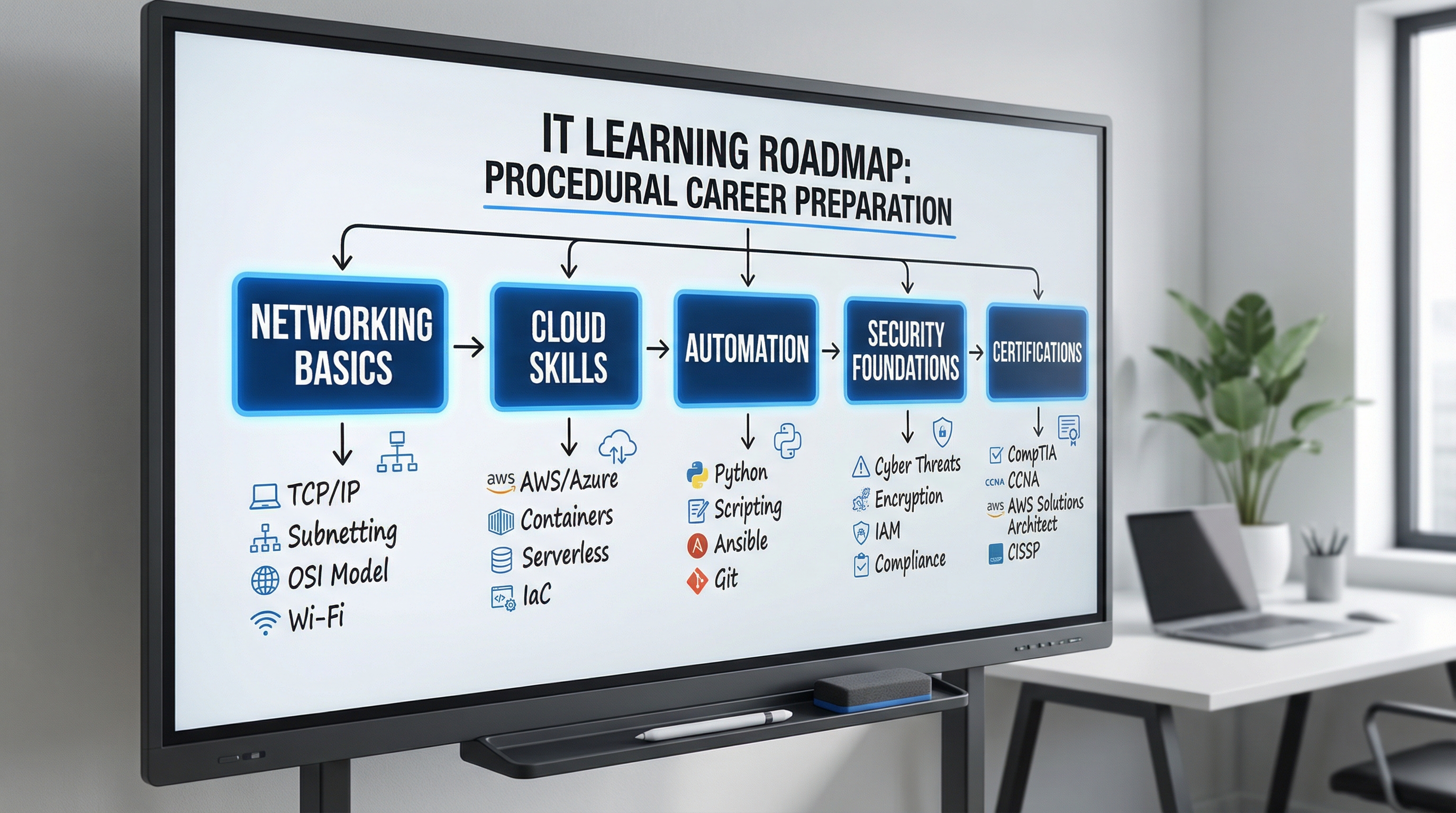
Whether you are new to IT or looking to advance from help desk roles, the following steps can help you get ready for the evolving job market:
- Get hands-on training: Seek programs that offer labs, real-world scenarios, and mentorship in networking, cloud, and cybersecurity. Articles like the entry level network engineer job path guide can support your foundation.
- Build foundational knowledge: Master core networking concepts, protocols, and troubleshooting techniques.
- Expand into cloud and edge technologies: Learn about virtualized networks, edge deployments, and cloud security best practices.
- Develop automation and scripting skills: Gain experience with Python, PowerShell, or other scripting languages relevant to network automation.
- Pursue industry certifications: Consider certifications focused on networking, cloud, or cybersecurity to validate your skills. The cert roadmap from network technician to engineer can help you plan your journey.
- Stay updated: Follow industry news, attend webinars, and participate in online communities to keep your knowledge current.
NGT Academy’s Network Engineer Program + Cybersecurity Accelerator is designed to equip you with the practical, job-ready skills needed to succeed in this changing landscape. With live instruction, career coaching, and hands-on labs, you will be prepared for high-demand roles that combine networking and security expertise.
Benefits of Hands-On Training for Career Changers and Upward Mobility
Structured, skills-based training is especially valuable for adults switching careers or seeking to move up in IT. Hands-on labs, mentorship, and career coaching help bridge the gap between theory and practice, making it easier to step into roles that support cloud and edge initiatives. Programs like NGT Academy’s focus on practical experience and direct connections to employers, giving you a competitive edge in the job market.
If you have questions about program eligibility, financing, or how to apply, visit our FAQ page for detailed answers and guidance.
Looking Ahead: The Future of Networking Jobs
The integration of cloud and edge computing is not a passing trend. In the coming years, organizations will continue to seek professionals who can design, secure, and manage hybrid environments. As automation, IoT, and distributed applications become more common, network engineers and cybersecurity specialists will be at the forefront of innovation.
By focusing on hands-on training, building hybrid skills, and staying adaptable, you can unlock rewarding career opportunities and help shape the future of IT.
FAQ
What types of network jobs are most affected by cloud and edge computing?
Roles such as network engineer, cloud network architect, and network automation specialist are being transformed as organizations adopt cloud and edge solutions. These professionals must manage hybrid environments and integrate new security practices.
Do I need to know programming or automation for modern networking jobs?
Yes, automation and scripting skills are increasingly important as networks become more complex. Knowledge of languages like Python or PowerShell is highly valued in roles managing cloud and edge infrastructures.
How can I transition from a help desk role to a network engineering job in this new landscape?
Focus on gaining hands-on experience with cloud networking, edge devices, and security fundamentals. Structured training programs with labs and mentorship, such as those offered by NGT Academy, can help accelerate this transition.
Are certifications important for networking careers in cloud and edge environments?
Certifications in networking, cloud technologies, and cybersecurity validate your skills and are often required or preferred by employers for advanced roles.
Where can I learn more about NGT Academy’s programs and mission?
You can read about our goal to help 1 million people launch tech careers by 2030 on our mission page.