
From Help Desk to Cybersecurity Engineer: An IT Career Pivot Success Story
IT Career Pivot 2025 Real Life Example: Help Desk to Cybersecurity Engineer


Are you considering a transition from an entry-level IT role to a high-demand cybersecurity career? This post is for help desk professionals, career changers, veterans, and anyone seeking a hands-on, skills-based path into cybersecurity engineering. We walk you through an IT career pivot 2025 real life example, breaking down the journey, practical steps, and how NGT Academy’s approach transforms lives with real job outcomes.
How Does a Real Help Desk to Cybersecurity Engineer Transition Happen?
Making the move from a help desk position to a cybersecurity engineer is possible for motivated adults without a traditional degree. With the right foundation in IT, structured hands-on training, and relevant certifications, you can build the skills and confidence to land your first cybersecurity role within a year. This approach aligns well with hands-on training methods.
The Demand for Cybersecurity Talent Is at an All-Time High
The global cybersecurity job market is booming, with over 4.8 million unfilled positions reported in 2025. Organizations across industries are facing a growing need for professionals who can defend digital assets, manage incidents, and secure networks. Entry-level salaries often start above $80,000, and remote work is now standard for many roles. If you are ready to move up from help desk support, there has never been a better time to pivot.
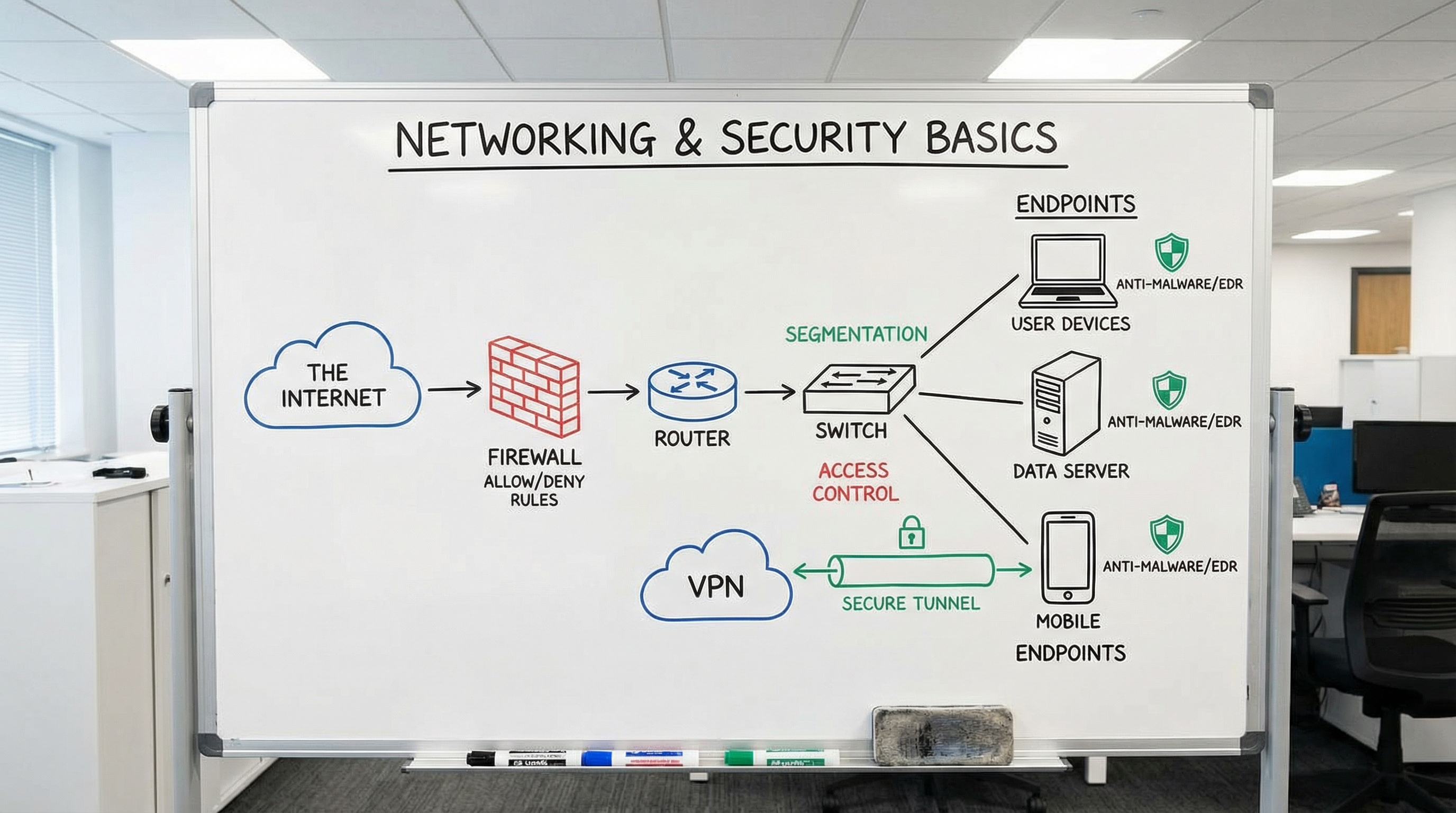
Meet Alex: A Real-Life IT Career Pivot Example
Let’s follow Alex, a 32-year-old help desk technician with five years of troubleshooting experience. Like many, Alex wanted more impact, job security, and higher earning potential. Unsure about returning to college, Alex chose a skills-based, hands-on program at NGT Academy to accelerate his journey into cybersecurity engineering. Stories like this reflect many student success journeys.
Alex’s Starting Point
- Help desk experience: Windows support, network troubleshooting, basic scripting
- No degree in computer science
- Curious about cybersecurity, but unsure where to start
What Motivated Alex?
- Desire for a more challenging, mission-driven career
- Awareness of the cybersecurity skills gap and high salaries
- Interest in ethical hacking, incident response, and problem-solving
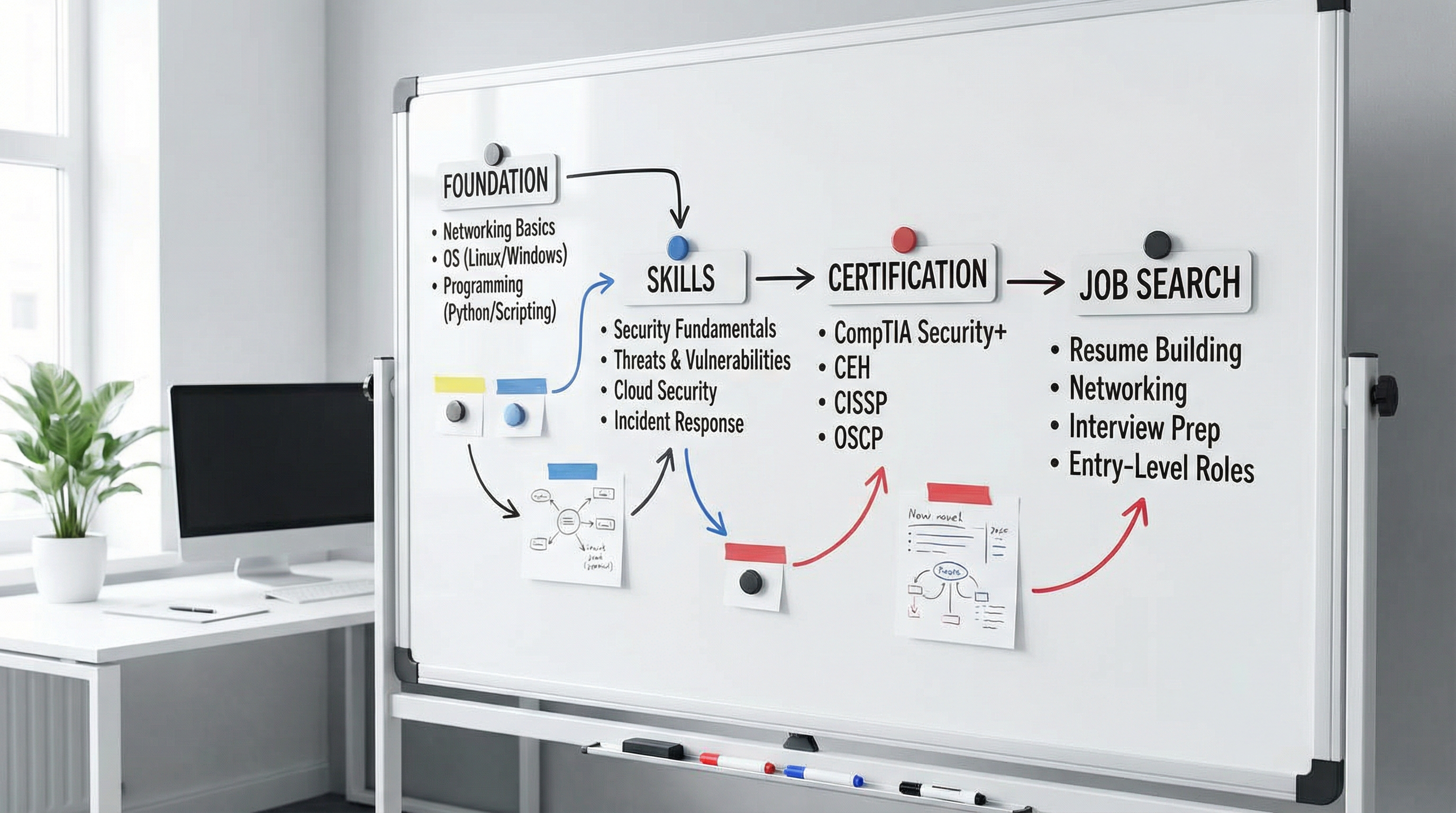
Step-by-Step Roadmap: From Help Desk to Cybersecurity Engineer
Alex’s journey followed a structured transition plan, tailored for adult career changers:
- Foundation (Months 1-3): Alex brushed up on networking, operating systems (Windows, Linux), and learned basic security concepts like encryption, malware, and firewalls. NGT Academy’s labs let him practice configuring firewalls and detecting vulnerabilities in a safe environment.
- Skill Development (Months 4-6): He chose to specialize as a SOC (Security Operations Center) Analyst, focusing on real-time threat monitoring and incident response. Through hands-on labs, Alex gained experience using SIEM tools, scripting (Python, Bash), and participated in Capture the Flag (CTF) competitions to sharpen his practical skills.
- Certification & Portfolio (Months 7-9): Alex earned CompTIA Security+, then completed several security projects for his portfolio, including a simulated phishing attack analysis and vulnerability assessment. He documented his work on LinkedIn and GitHub to attract recruiters.
- Job Search & Launch (Months 10-12): With career coaching from NGT Academy, Alex tailored his resume, prepared for technical interviews, and leveraged his new network. Within 12 months, he landed a cybersecurity engineer role at a mid-sized company, with a starting salary 35% higher than his previous IT job.
Core Skills Help Desk Professionals Bring to Cybersecurity
Help desk and IT support roles provide a solid technical foundation for cybersecurity, and this mirrors insights found in real-world labs discussions:
- Troubleshooting & Incident Response: Ability to diagnose and resolve technical problems is directly transferable to investigating security incidents.
- Networking Fundamentals: Understanding of TCP/IP, firewalls, and VPNs aids in network security monitoring.
- Customer Communication: Experience supporting users is valuable when explaining security issues to non-technical staff.
- Scripting & Automation: Basic scripting skills (e.g., PowerShell, Bash) are useful for automating security tasks and analyzing data.
Which Cybersecurity Roles Are Ideal After Help Desk?
- SOC Analyst: Monitoring security tools, analyzing alerts, and responding to incidents. Great entry point for IT support professionals.
- Vulnerability Assessment Analyst: Scanning systems, prioritizing risks, and advising on remediation.
- Incident Response Analyst: Investigating breaches, helping contain and recover from security events.
- Compliance & Risk Analyst: Ensuring policies and regulatory requirements are met especially good for those with attention to detail.
What Certifications and Projects Make the Difference?
Certifications validate your skills and open doors. Alex’s journey included:
- CompTIA Security+ as a foundational credential
- Optional next steps: CySA+, Certified Ethical Hacker (CEH)
- Hands-on projects: Home lab network defense, malware analysis, participating in CTF events, contributing to open-source security tools
Building a portfolio of real-world projects was key employers value demonstrated skill more than degrees. Alex’s GitHub included lab reports, automation scripts, and CTF write-ups.
Overcoming Challenges in Your IT Career Pivot
Time Management
Balancing work, study, and life can be tough. Alex scheduled consistent weekly study blocks and leveraged NGT Academy’s mentor support to stay on track.
Imposter Syndrome
Many career changers worry about not being technical enough. Alex overcame this by focusing on progress, not perfection, and by networking with other career switchers through NGT Academy’s community.
Breaking Into the Field Without Prior Cybersecurity Experience
Alex volunteered for nonprofit security projects and participated in CTFs to develop practical experience, which he showcased during interviews.
Hands-On Learning: Why It Matters Most
The fastest-growing cybersecurity pros are those who practice skills in real or simulated environments. Home labs, virtual scenarios, and CTF competitions give you a safe place to experiment and learn. This approach matches NGT Academy’s emphasis on labs, mentorship, and project-based learning, ensuring graduates are job-ready from day one.
Long-Term Career Growth After Your IT Pivot
Alex’s story did not end with his first cybersecurity job. Within two years, he advanced to a senior analyst role, doubled his network of professional contacts, and mentored new career changers. The field offers clear pathways to six-figure salaries, leadership, and specialization in areas like penetration testing or compliance.
Ready to Start Your Own IT Career Pivot?
If you are inspired by Alex’s IT career pivot 2025 real life example and want a clear, skills-based roadmap with hands-on training and career support, explore the Network Engineer Program + Cybersecurity Accelerator at NGT Academy. Our program is designed for adult learners, career changers, and veterans no degree required. You will gain the technical foundation, real-world experience, and mentorship needed to land your first cybersecurity engineering role.
FAQ
What qualifications do I need to move from help desk to cybersecurity?
While a degree is not required, foundational IT skills, hands-on cybersecurity training, and at least one industry certification (such as CompTIA Security+) are essential. Employers value project experience and a portfolio over traditional credentials.
How long does it take to pivot from IT support to a cybersecurity engineer role?
Most career changers can transition in 9 to 18 months with a structured learning path, hands-on labs, and mentorship. Many NGT Academy students achieve their first cybersecurity job within a year.
What are the best entry-level cybersecurity roles for help desk professionals?
Common entry points include SOC Analyst, Vulnerability Assessment Analyst, Incident Response Analyst, and Compliance & Risk Analyst. These leverage troubleshooting and technical knowledge from IT support roles.
How important are hands-on labs and project portfolios?
Hands-on labs and a documented portfolio are critical; they demonstrate your practical ability to employers and help you stand out in a competitive job market.
Can I work in cybersecurity without a traditional degree?
Yes, many professionals enter cybersecurity through skills-based training, certifications, and real-world projects. Employers increasingly value demonstrable skills and practical experience over degrees.